 Save
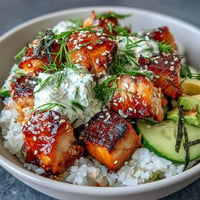
Save I discovered poke bowls on a humid afternoon when a friend brought containers from a hole-in-the-wall place near the harbor, and I was immediately struck by how the raw fish gleamed under the kitchen light, jewel-like and inviting. There's something almost meditative about assembling one—no heat required, just fresh ingredients and your hands moving with intention. Now whenever I want something that feels both nourishing and a little bit fancy without the fuss, this is what I reach for.
I made this for my roommate on their birthday, and watching them dig in with that satisfied sigh reminded me that the best meals don't always come from a hot stove. The way the sesame seeds caught the light and the nori strips crackled slightly between their teeth—it felt like a small celebration, quiet and genuine.
Ingredients
- Sushi-grade salmon or tuna, 400 g: This is the star, so buy from a reputable fishmonger and ask specifically for sushi-grade. The quality difference is everything, and you'll taste it immediately.
- Soy sauce, 2 tbsp: Use tamari if you need gluten-free, and don't skip the seasoning adjustment—taste as you go.
- Sesame oil, 1 tbsp: The nutty depth here is non-negotiable; regular oil won't give you that toasted flavor.
- Rice vinegar, 1 tbsp: Keeps things bright and cuts through the richness of the fish without overpowering it.
- Freshly grated ginger, 1 tsp: Microplane it fresh; powdered ginger is a different animal entirely.
- Honey or maple syrup, 1 tsp: A whisper of sweetness that balances the salty and sour notes perfectly.
- Garlic clove, 1 small: Minced fine so it dissolves almost invisibly into the marinade.
- Mixed salad greens, 120 g: Use whatever you have—romaine holds up best, but arugula adds peppery interest.
- Cucumber, 1 medium: Slice thin so each bite feels crisp and refreshing.
- Avocado, 1 large: Add this just before serving so it doesn't brown and turn bitter.
- Carrots, 2 small: Julienne them thin; they add color and a subtle sweetness.
- Cooked sushi rice or brown rice, 120 g: Optional, but it transforms this from salad to a more substantial main dish.
- Toasted sesame seeds, 2 tbsp: Buy pre-toasted if you can find them, or toast your own and you'll notice the difference immediately.
- Scallions, 2 tbsp sliced: The green parts especially brighten everything and add a gentle bite.
- Nori sheets: Cut into thin strips with kitchen shears rather than tearing them; it looks intentional.
- Pickled ginger: Clears your palate between bites like a gentle reset button.
- Red chili, 1 small, sliced: Only if you want heat; this is entirely optional and personal.
Tired of Takeout? 🥡
Get 10 meals you can make faster than delivery arrives. Seriously.
One email. No spam. Unsubscribe anytime.
Instructions
- Make your marinade:
- In a small bowl, whisk together soy sauce, sesame oil, rice vinegar, ginger, honey, and minced garlic until the honey dissolves completely. Taste it—this is your flavor foundation, so adjust before the fish goes in.
- Marinate the fish:
- Add your cubed fish to the marinade and toss gently so every piece gets coated, then cover and refrigerate for at least ten minutes. Don't skip this step; the fish needs time to absorb those flavors.
- Build your base:
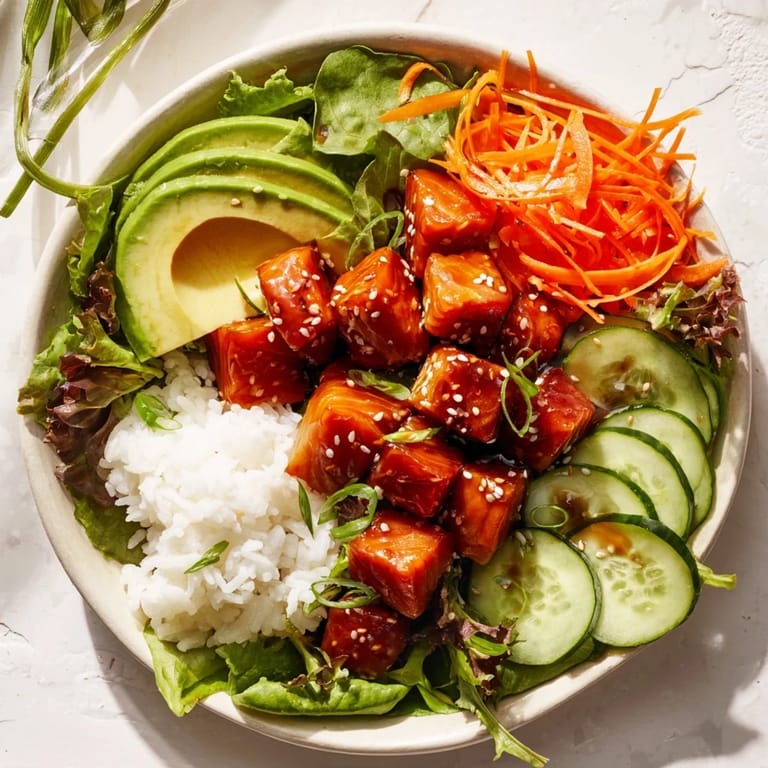
- While the fish sits, arrange greens, cucumber, avocado, and carrots in individual bowls. If using rice, divide it evenly so each bowl feels balanced.
- Combine everything:
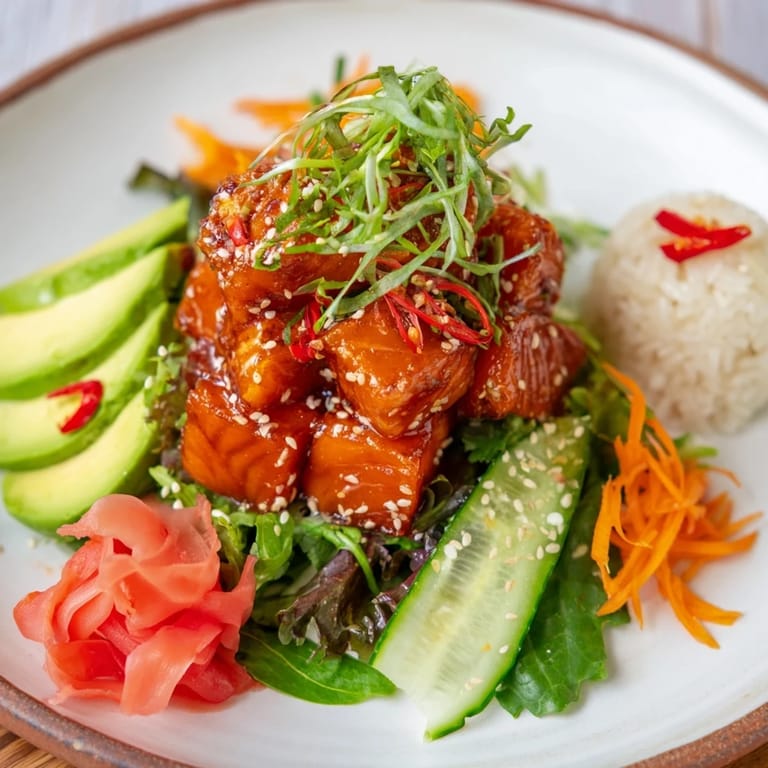
- Spoon the marinated fish and all its liquid over your salad base—don't waste any of that marinade. Top with sesame seeds, scallions, nori strips, pickled ginger, and chili if desired, then serve immediately.
 Save
Save I remember the first time I added nori strips almost as an afterthought, and suddenly it clicked—that salty, slightly oceanic note completed something I didn't even know was missing. It's a small detail, but it's the difference between a nice salad and something that makes you pause mid-bite and smile.
Why Fresh Fish Transforms Everything
The quality of your raw fish is truly the entire recipe. Sushi-grade salmon or tuna has been handled, stored, and frozen in specific ways to be safe for raw consumption, so don't try to save money here—your fishmonger can guide you, and spending a few extra dollars on proper fish means the difference between something transcendent and something that feels like a risk. When the fish is good, the simplicity of this bowl becomes a feature, not a limitation.
Customizing Your Bowl
This recipe is genuinely forgiving in terms of swaps and additions. Some days I add edamame for protein and crunch, other times I throw in shredded radish or cucumber ribbons for color and texture. The marinade holds everything together, so once you nail that balance, you can play freely with the base ingredients.
Assembly and Serving
The magic of a poke bowl is in the moment of assembly—each component stays distinct and fresh until you toss it together on your spoon. Serve this immediately after building; waiting even a few minutes lets the fish start to oxidize and the greens begin to wilt under the weight of the marinade. Think of it less as a make-ahead dish and more as a moment of intentional eating.
- Chill your bowls in the freezer for five minutes before serving if you want an extra layer of freshness.
- Set out all your toppings separately so people can customize their own bowls if you're feeding a group.
- This is best eaten with chopsticks or a small fork—the ritual of eating slowly makes it taste better.
 Save
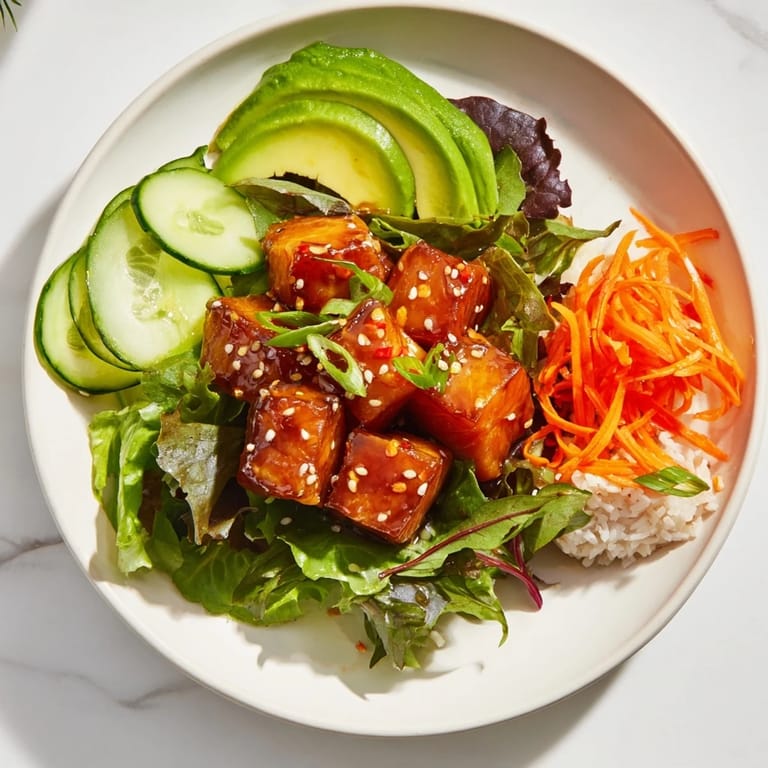
Save There's something deeply satisfying about a meal this clean and alive, where every ingredient speaks for itself. This bowl reminds me that the best cooking sometimes means getting out of the way and letting good things be good.