 Save
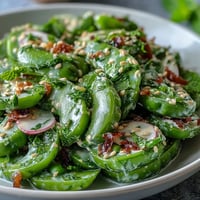
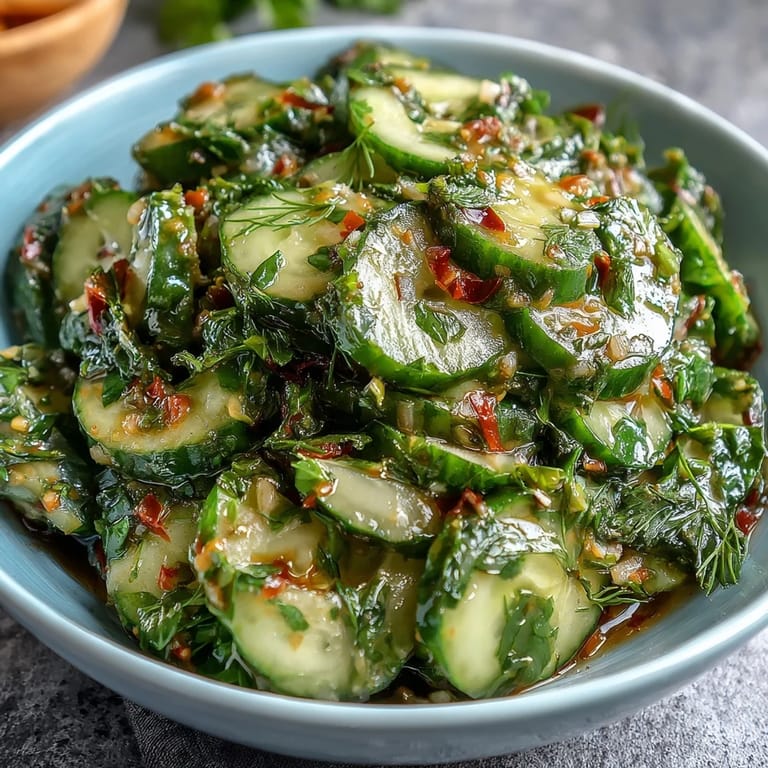
Save My neighbor showed up with a bunch of radishes from her garden one spring afternoon, and I wasn't sure what to do with them beyond the usual salads. That evening, I sliced them paper-thin, tossed them with cucumbers, and whisked up a simple dill vinaigrette on a whim. The brightness of that first bite stuck with me—it became the salad I make whenever I need something that tastes like the season is finally turning green again.
I brought this to a potluck once and watched people reach for seconds before touching the heavier sides, which told me everything I needed to know. One guest asked for the recipe standing in my kitchen, and I realized how often we overlook simple salads in favor of complicated dishes. There's something quietly confident about serving food that celebrates its ingredients rather than hiding behind technique.
Ingredients
- Cucumbers: Use firm, fresh ones with thin skin if you can find them—they stay crunchier and you won't need to peel them.
- Radishes: The peppery bite is what makes this salad sing, so don't skip them or substitute with something milder.
- Scallions: They add a subtle onion note that ties everything together without overpowering the delicate vegetables.
- Extra virgin olive oil: This is your base, so choose one you enjoy tasting on its own.
- White wine vinegar: It's bright without being harsh—this balance is what gives the salad its elegant feel.
- Dijon mustard: A small amount acts as an emulsifier and adds a whisper of complexity.
- Honey: Just enough to round out the acidity and add a touch of natural sweetness.
- Fresh dill: Buy it fresh and chop it right before mixing—dried dill won't give you that same grassy brightness.
- Salt and black pepper: Taste as you go; you might need less salt than you think since the vinaigrette concentrates the flavors.
Tired of Takeout? 🥡
Get 10 meals you can make faster than delivery arrives. Seriously.
One email. No spam. Unsubscribe anytime.
Instructions
- Slice your vegetables with intention:
- Use a mandoline or sharp knife to get even, thin slices—this matters because uniform thickness means everything cooks (or in this case, marinates) at the same rate. Thinner slices also let the vinaigrette penetrate more evenly.
- Build your vinaigrette in a jar:
- Pour everything in and shake it hard for a few seconds—the vigorous movement helps the mustard and honey emulsify the oil and vinegar into something silky. You'll feel when it's right by the way it coats the jar.
- Combine with a gentle hand:
- Toss the vegetables and vinaigrette together, but don't crush anything—you want crunch to survive the process. Let it sit for five to ten minutes so the flavors meld without the vegetables turning soggy.
- Serve with confidence:
- Whether you offer it chilled or at room temperature, a final pinch of salt and a scatter of fresh dill on top makes it look intentional and tasty.
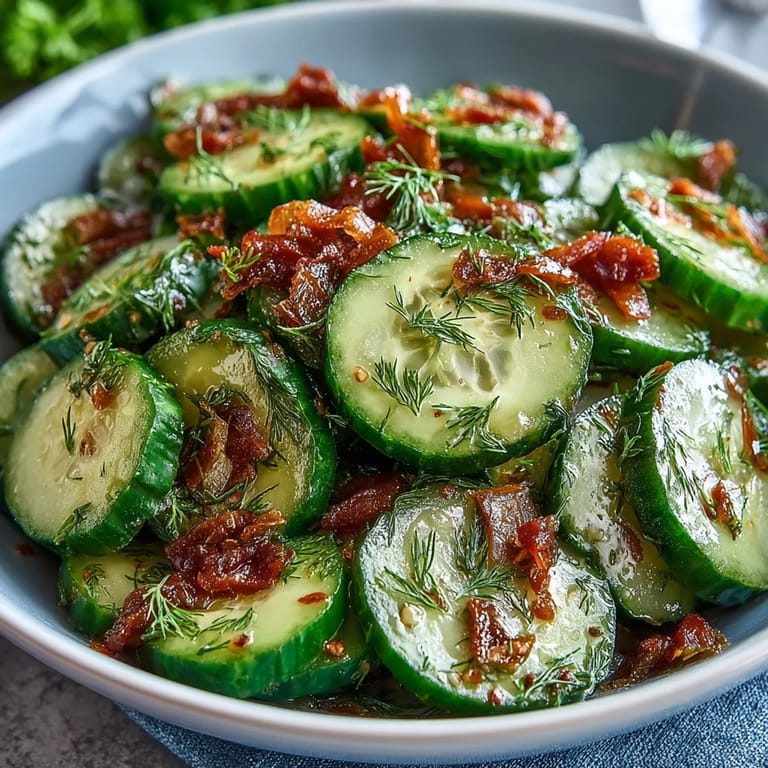 Save
Save My daughter once asked why this was her favorite salad, and she said it was because it tasted like what she imagined spring felt like. That's when I understood that sometimes the best food isn't the most complicated—it's the one that lets people taste the season and feel a little lighter for it.
Variations Worth Trying
I've added fennel for anise notes, celery for extra crunch, and even thin apple slices for a touch of sweetness. Each addition works because it respects the core idea: vegetables so fresh they barely need anything done to them. The vinaigrette is sturdy enough to handle variations, so play around and trust your instincts.
When to Serve This Salad
It's perfect alongside grilled fish or roasted chicken, but I've also served it as a light lunch on its own, maybe with some good bread and cheese. The simplicity makes it work at formal dinners or casual weeknight meals—it adapts to the mood without losing its character.
Making It Your Own
Taste everything before serving and adjust the vinaigrette to your preference—some people like it tangier, others want more honey. The beauty of this salad is that it teaches you to trust your palate and build flavors rather than follow rules.
- Swap the vinegar: Apple cider vinegar is tangier, rice vinegar is milder, and red wine vinegar adds earthiness.
- Fresh herbs matter: Try parsley, chives, or tarragon if dill isn't your thing, but change only one thing at a time so you can taste what happens.
- Make extra vinaigrette: You'll want it for other salads, grilled vegetables, and moments when you need brightness but have no time.
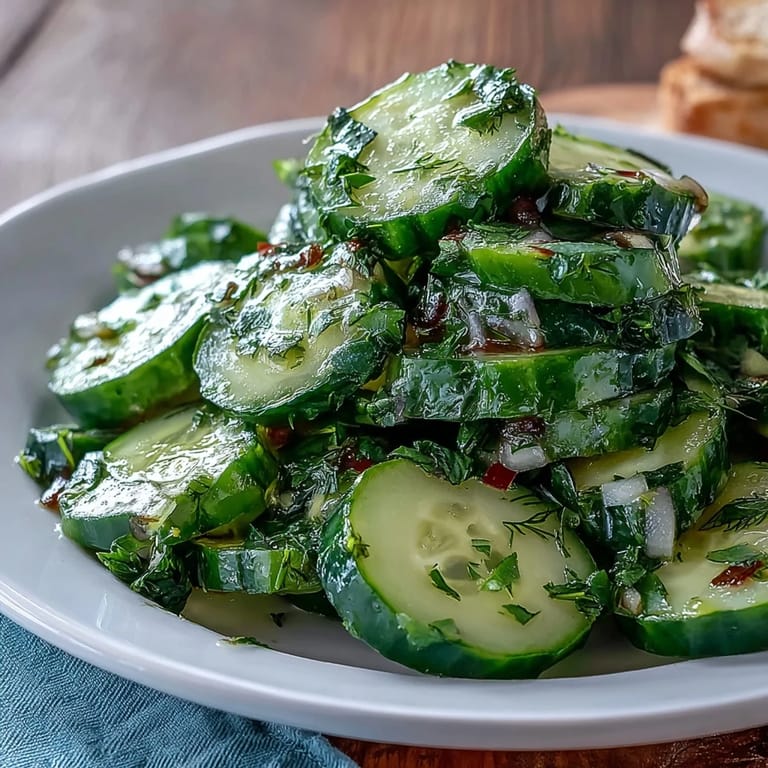 Save
Save This salad has become my go-to when I want to cook something that feels effortless but tastes like care went into it. Make it for someone you want to impress, and watch their face when they realize how something so simple can taste so good.
Recipe Questions & Answers
- → What gives the salad its bright flavor?
The combination of white wine vinegar, Dijon mustard, honey, and fresh dill in the vinaigrette creates a lively and balanced taste that complements the vegetables.
- → Can I substitute any ingredients in the vinaigrette?
Yes, apple cider vinegar can replace white wine vinegar for a tangier profile without overpowering the other flavors.
- → How long should the salad rest after tossing?
Letting the salad sit for 5 to 10 minutes allows the flavors to meld and enhances the overall taste experience.
- → What textures are present in this dish?
The salad features a crisp bite from cucumbers and radishes, with added slight crunch from scallions and optional celery or fennel.
- → Is this dish suitable for special diets?
Yes, it is vegetarian and naturally gluten-free. Be sure all ingredients like mustard are gluten-free certified if necessary.