 Save
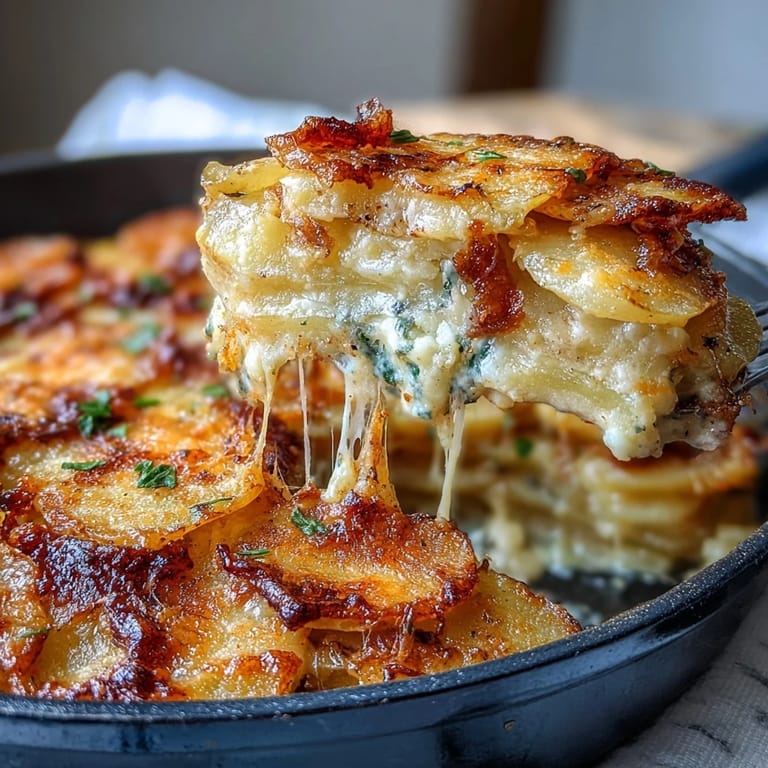
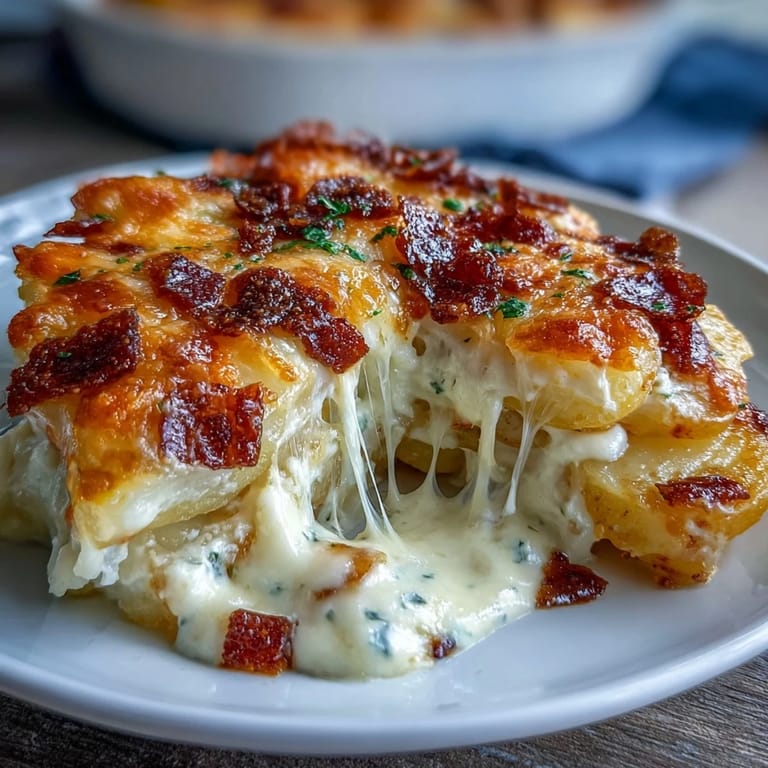
Save My aunt brought a casserole dish of scalloped potatoes to a holiday dinner years ago, and I watched my usually quiet uncle go back for thirds—something I'd never seen him do. The golden, bubbling cheese on top caught the light as she pulled it from the oven, and the kitchen filled with this warm, buttery smell that made everyone stop talking. That's when I realized this wasn't just a side dish; it was the kind of food that brings people together without fuss. The recipe turned out to be surprisingly simple, which made me love it even more.
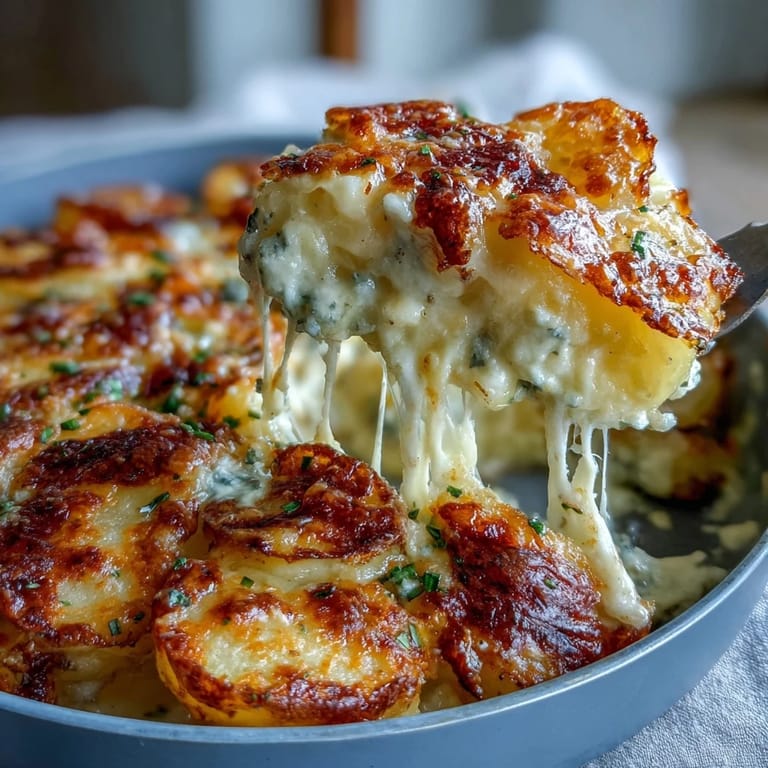
I made this for a potluck once and brought it in a borrowed dish, nervous about how it would turn out. When I lifted the foil to reveal that golden, bubbling top with the paprika dusted across it, my coworker immediately asked for the recipe before even tasting it. The fact that it looked that good gave me confidence, and by the time we ate, there were only a few spoonfuls left. That moment taught me that taking time to layer things properly and let them bake unhurried makes all the difference.
Ingredients
- Yukon Gold or Russet potatoes: Yukon Golds stay creamy and hold their shape beautifully, but Russets work fine if that's what you have—just slice them thin so they cook through evenly.
- Shredded sharp cheddar cheese: The sharpness cuts through the richness and prevents the dish from tasting one-note or overly heavy.
- Mozzarella cheese: This stretches and melts smoothly, creating that silky sauce without graininess.
- Whole milk: Don't use skim or low-fat here; you want the fat for creaminess and flavor.
- Unsalted butter and all-purpose flour: Together they make the roux, which is your secret to a sauce that coats without being lumpy or watery.
- Onion, salt, pepper, garlic powder, and paprika: The seasonings are restrained on purpose—they let the potato and cheese shine while adding depth.
Tired of Takeout? 🥡
Get 10 meals you can make faster than delivery arrives. Seriously.
One email. No spam. Unsubscribe anytime.
Instructions
- Prep and preheat:
- Set your oven to 375°F and grease that 9x13-inch dish well so nothing sticks to the sides. Slice your potatoes thin and even—a mandoline makes this easy if you have one, but a sharp knife works just fine if you go slowly.
- Build the roux:
- Melt butter over medium heat, then whisk in flour until it looks like wet sand and smells slightly toasty, about a minute. This is your base, so don't skip it or rush it.
- Create the sauce:
- Pour milk in slowly while whisking constantly—this prevents lumps from forming and gives you a silky sauce. You'll feel it thicken under your whisk after a few minutes, which is the perfect moment to know you're done.
- Cheese time:
- Remove from heat and stir in your seasonings and half the cheese until everything melts together into one creamy, golden mixture. Taste it at this point and adjust salt if you need to.
- Layer with care:
- Spread half the potatoes in your greased dish, then half the onions, then half the sauce. Repeat this with the remaining potatoes, onions, and sauce so every layer gets its moment.
- The final touch:
- Sprinkle the remaining cheese and paprika on top for color and extra richness. This is what makes it look intentional and beautiful.
- Bake covered:
- Cover with foil and bake for 40 minutes so the potatoes steam and soften without the top burning. You won't see much action, but trust that it's working.
- Uncover and finish:
- Remove the foil and bake another 25 to 30 minutes until the potatoes are completely tender when you pierce them with a fork and the top is deep golden brown. This is where the magic happens—the cheese bubbles, the edges crisp slightly, and your kitchen smells incredible.
- Rest before serving:
- Let it sit for 10 minutes so the layers set slightly and it's easier to scoop onto plates. This also gives the heat a chance to distribute evenly so no one burns their mouth.
 Save
Save My neighbor brought this dish over when I was dealing with something difficult, and I remember being struck by how such a simple, honest food felt like exactly what I needed. The warmth of it, the way the cheese pulled in strings when I lifted a spoon—it reminded me that sometimes comfort comes in the form of butter and potatoes.
Why Thin Slicing Matters
The first time I made this, I got lazy and cut the potatoes thicker than I should have. Half my baking time flew by and the centers were still hard while the edges started to dry out. Now I understand that thin, even slices are everything—they cook through evenly, absorb the sauce properly, and create that tender, almost melting texture that makes people ask for the recipe. If you don't have a mandoline, a sharp chef's knife and a little patience will get you there.
The Roux Is Your Foundation
This is the one technique that separates a creamy, silky scalloped potato from a watery or grainy disaster. When you whisk butter and flour together and cook it for a minute, you're creating a base that will thicken milk without any lumps or weird texture. The moment you add the milk, keep whisking—don't walk away, don't get distracted. You'll feel and see the sauce transform from thin to creamy in just a few minutes, and that's when you know you've nailed it.
Make-Ahead Magic and Flavor Swaps
I've learned that assembling this the morning of an event saves incredible amounts of stress. It sits in the fridge just fine, and then you pop it in the oven when your guests are about to arrive. For flavor variations, a tiny pinch of nutmeg in the sauce adds warmth without being obvious, and fresh herbs like thyme or chives scattered on top at the end bring brightness. If you want something deeper and richer, swap the cheddar for Gruyère—it's more expensive but worth it for special occasions.
- You can assemble this dish up to 8 hours ahead; just keep it covered in the fridge.
- A small sprinkle of fresh thyme or chopped parsley before serving adds color and a hint of freshness.
- Don't skip letting it rest for 10 minutes after baking—it helps everything set so your portions stay neat.
 Save
Save This is the kind of dish that gets better with practice, and every time you make it, you'll find your own little rhythm and preferences. It's honest food, made with your hands, that brings people around a table.
Recipe Questions & Answers
- → What type of potatoes work best?
Yukon Gold or Russet potatoes are ideal due to their texture and ability to hold shape when baked thinly sliced.
- → Can I use different cheeses?
Yes, substituting Gruyère for cheddar gives a nuttier flavor, while mozzarella provides creamy meltiness.
- → How do I ensure the sauce is smooth?
Whisk flour and butter into a roux first, then slowly add milk while whisking to prevent lumps before adding cheese.
- → Is it necessary to cover with foil while baking?
Covering traps moisture to cook potatoes evenly, removing foil later helps brown the top beautifully.
- → Can this be prepared ahead of time?
Yes, assemble several hours prior and refrigerate; bake just before serving to maintain freshness and texture.