 Save
Save My neighbor brought over a slice of floral cake last spring, and honestly, I was skeptical—edible flowers seemed like they belonged in a gallery, not on my plate. One bite changed everything: the tartness of lemon frosting cut through the sweetness, and those delicate petals added something I couldn't quite name. I spent the next week hunting down the recipe, then another week perfecting my own version in my kitchen, learning that the magic wasn't just the flavors, but how they worked together like a conversation.
I made this for my sister's baby shower on a humid April morning, and the frosting almost didn't cooperate because of the moisture in the air. But standing in the kitchen with my hands dusted in powdered sugar, watching those edible pansies catch the light once I placed them on top, I realized this cake had become my signature move. People still ask me about it months later, which tells me something worth repeating is worth getting right.
Ingredients
- All-purpose flour (2 ½ cups): The foundation of your sponge; sift it with the baking powder to avoid lumps and ensure even rise throughout the layers.
- Baking powder (2 ½ tsp): Don't skimp on this or eyeball it—it's what makes the cake light and tender rather than dense.
- Unsalted butter (1 cup + 1 cup): Use softened butter for the sponge and frosting; cold butter won't incorporate smoothly and you'll end up beating it for ages.
- Granulated sugar (1 ¾ cups): The creaming step with butter is non-negotiable; this is where you build air into the batter.
- Room temperature eggs (4 large): Cold eggs don't emulsify properly with the butter mixture, so take them out of the fridge 30 minutes before you start.
- Vanilla extract (1 tbsp): Use real vanilla; the imitation kind tastes tinny against the brightness of lemon.
- Whole milk (1 cup): Room temperature milk blends seamlessly; cold milk can cause the batter to break and seize.
- Powdered sugar (4 cups): Sift this before measuring to avoid a gritty frosting that feels like you're eating sand.
- Fresh lemon juice (2 tbsp) and zest (2 tsp): Fresh is essential here; bottled juice tastes flat and sour rather than bright and alive.
- White chocolate chips (1 cup): Quality matters because cheap white chocolate tastes waxy; splurge a little and you'll taste the difference.
- Heavy cream (⅓ cup): This loosens the white chocolate into a pourable ganache without making it bitter.
- Edible flowers: Shop at farmers markets or specialty grocers and ask if they're pesticide-free; homegrown flowers from your garden work too if you haven't treated them.
Tired of Takeout? 🥡
Get 10 meals you can make faster than delivery arrives. Seriously.
One email. No spam. Unsubscribe anytime.
Instructions
- Prepare and preheat your workspace:
- Heat your oven to 350°F and grease three 8-inch round pans with butter, then line them with parchment paper cut to fit the bottoms. This matters because parchment keeps the cake from sticking even if your pan isn't perfectly non-stick.
- Combine the dry ingredients:
- In a medium bowl, whisk together flour, baking powder, and salt until the powder is evenly distributed throughout. The whisking aerates the flour slightly and prevents streaks of baking powder in your finished cake.
- Cream butter and sugar into fluffy clouds:
- Beat softened butter and sugar for 3 to 4 minutes until the mixture looks pale and doubles in volume, scraping down the bowl halfway through. You're building tiny air pockets that make the cake tender; rush this step and your cake will be dense.
- Add eggs one at a time like you're tucking them in gently:
- Beat after each egg addition so it fully incorporates before you add the next one; this prevents a broken, curdled batter that bakes unevenly. Add vanilla extract with the last egg.
- Alternate flour and milk to build the batter:
- Start with about a third of the flour mixture, then half the milk, then another third of flour, then the remaining milk, and finish with the last of the flour. Mixing this way prevents the batter from becoming tough, and you'll see it transform from shaggy to silky smooth.
- Divide and bake the layers:
- Pour batter evenly among the three pans using a scale if you want perfectly level layers, or just eyeball it and bake for 25 to 30 minutes until a toothpick comes out clean with maybe a crumb or two. Let them cool for 10 minutes in the pans, then turn them out onto wire racks because leaving them in too long makes them stick.
- Make the lemon frosting while the cakes cool:
- Beat softened butter until it's creamy, then gradually add powdered sugar so you don't create a cloud of powder in your kitchen. Once it looks like fluffy white frosting, mix in fresh lemon juice and zest, then add milk a tablespoon at a time until it spreads like butter.
- Build and frost the cake:
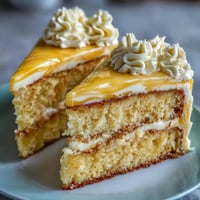
- Place one cooled layer on your serving plate or cake board, spread a thick layer of frosting on top, then repeat with the second layer, and finally frost the top and sides until it looks smooth and finished. A bench scraper or offset spatula dipped in warm water helps smooth out fingerprints and rough spots.
- Create the white chocolate drip ganache:
- Heat heavy cream just until steam rises and tiny bubbles form at the edge, then pour it over white chocolate in a heatproof bowl and wait 2 minutes before stirring until completely smooth. This method makes the ganache silky rather than grainy, and letting it cool for a few minutes until it's thick but still pourable gives you better control.
- Drip and decorate like you're painting:
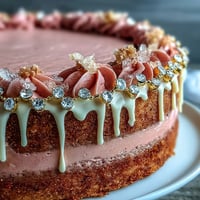
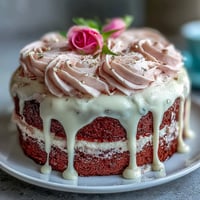
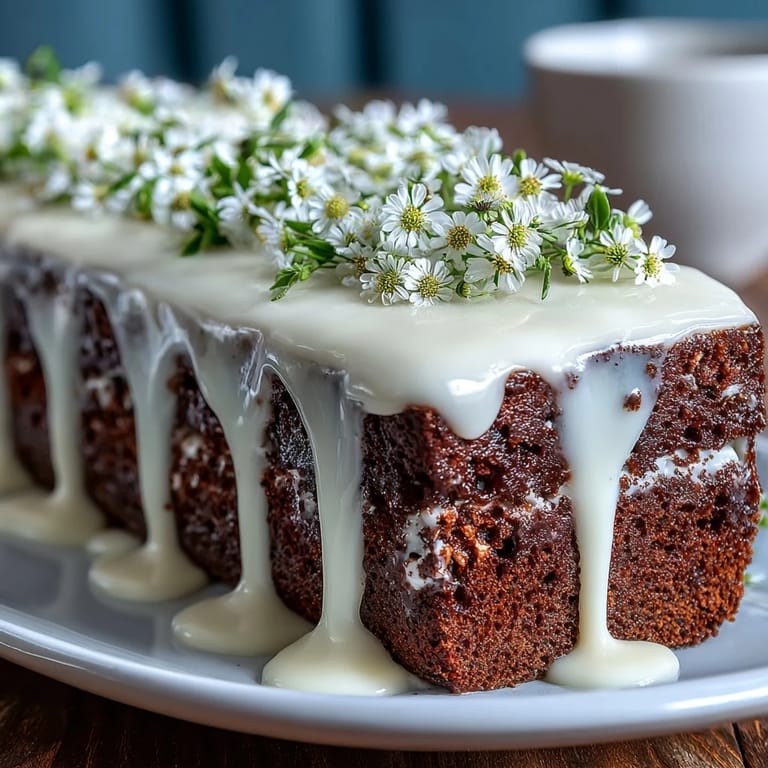
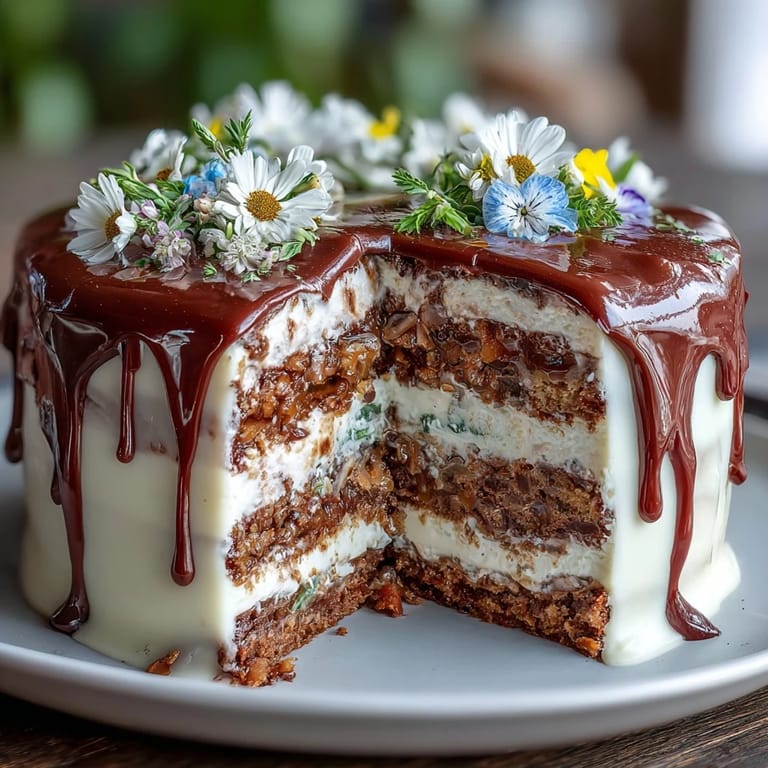
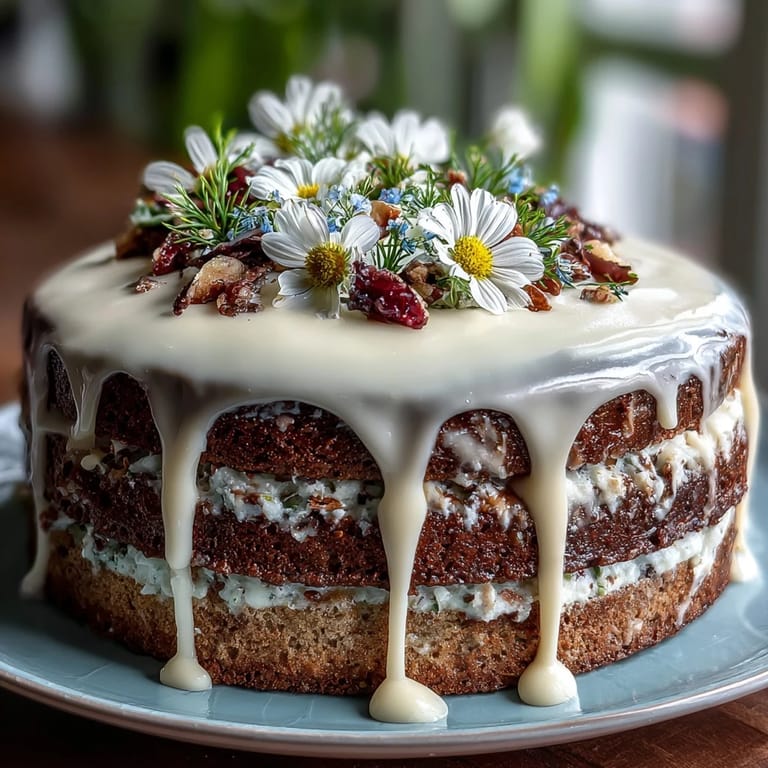
- Using a spoon or small squeeze bottle, let white chocolate ganache dribble down the sides of the cake from the top edge, then spread the remaining ganache across the top. Once it's set just slightly, arrange edible flowers on top and sprinkle with lemon zest if you want extra brightness.
 Save
Save What I didn't expect when I first made this cake was how much emotion it would carry. My daughter asked if she could help me decorate it, and watching her carefully place each pansy on the frosting while asking why flowers were okay to eat suddenly made it more than dessert. That cake became the thing we made together, the centerpiece of a memory instead of just a meal.
Why This Cake Feels Special
There's something about combining lemon and flowers that feels both elegant and slightly mischievous, like you're getting away with something delightful. The tartness of the frosting against the sweetness of the cake creates a balance that keeps you coming back for one more forkful, and the flowers are the edible equivalent of jewelry—they make you feel special just for eating them.
Storage and Make-Ahead Wisdom
You can bake the layers up to two days ahead and store them wrapped tightly at room temperature, which takes the pressure off on the day of serving. The frosting stays good in the fridge for up to a week if you keep it in an airtight container, and you can frost the cake the morning of your event, adding the flowers and white chocolate drip just a few hours before guests arrive.
Flavor Pairings and Serving Suggestions
This cake sings alongside sparkling wine or a crisp white wine, but it's equally at home with a strong Earl Grey tea or even a delicate chamomile if you're serving in the afternoon. I've also learned that serving it slightly chilled straight from the fridge is better than room temperature; the frosting stays neat, the flavors feel more vibrant, and the cake itself tastes almost like it's melting on your tongue in the most elegant way.
- Pair with Prosecco or Champagne for a celebratory moment that feels earned.
- Dust the plate with extra lemon zest or a few edible flowers for plating that looks professionally done.
- Make this cake the day before an event if you need to reduce stress; it actually tastes better when the flavors have had time to meld overnight.
 Save
Save Making this cake taught me that the most impressive desserts aren't always the most complicated; they're the ones where every element serves a purpose and tastes like someone who cares made it. Every time you bring this to a table, you're not just serving cake—you're sharing a little bit of springtime and joy.
Recipe Questions & Answers
- → What ingredients make up the vanilla sponge?
The vanilla sponge is made from all-purpose flour, baking powder, salt, unsalted butter, granulated sugar, eggs, vanilla extract, and whole milk.
- → How is the lemon frosting prepared?
Butter is beaten until creamy, then powdered sugar is added gradually. Fresh lemon juice and zest are mixed in along with milk to create a smooth, spreadable frosting.
- → What creates the white chocolate drip effect?
A mixture of white chocolate and heated heavy cream is stirred until smooth and slightly thickened, then dripped over the edges and top of the cake for a decorative finish.
- → How should edible flowers be selected for decoration?
Use pesticide-free, food-safe edible flowers such as violets, pansies, and rose petals to ensure safety and an attractive appearance.
- → Can this cake be made gluten-free?
Yes, swapping the all-purpose flour with a 1:1 gluten-free flour blend will accommodate gluten-free needs.
- → What is the best way to store the cake?
Refrigerate the cake for up to three days and bring it to room temperature before serving for best texture and flavor.