 Save
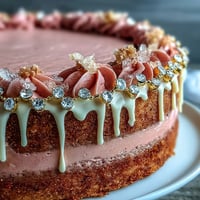
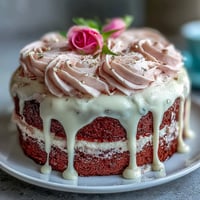
Save The first time my kitchen filled with the aroma of velvety cake gently perfumed with rosé, I almost laughed at how effortlessly elegant it looked cooling on the counter. There was a sparkle of excitement as I swirled food coloring into the batter, watching it bloom from pale ivory to the softest, most perfect pink. The idea for this cake was born not from tradition, but from an impromptu conversation around wedding festivities and dreams of edible gold. Somehow, everything about this recipe feels celebratory and just a little bit mischievous—especially when drizzling on the shimmering golden drip. The way the colors catch the light always reminds me that some desserts are simply made to be admired before they're devoured.
Last spring, I baked this very cake for a dear friend's bridal shower, where the kitchen buzzed with laughter and half-baked jokes about marriage as much as with the scent of vanilla and cocoa. Passing slices around the table, I realized everyone instinctively paused before their first forkful, just to take in the glimmering gold. It was a fleeting moment, but watching the bride-to-be beam made all the flour-dusted effort worth it.
Ingredients
- All-purpose flour: Sift it for a fine crumb; weighing is even better for consistent layers.
- Granulated sugar: Adds the right sweetness and helps keep the cake tender.
- Baking soda: A must for a soft, risen cake—be sure it's fresh.
- Fine salt: Just a hint brings out both cocoa and wine flavors.
- Cocoa powder (unsweetened): Only a tablespoon for subtle depth and pretty pink colour.
- Vegetable oil: Creates a moist, supple crumb that doesn't dry out.
- Eggs (room temperature): They help bind and fluff the batter, so let them lose their chill on the counter first.
- Buttermilk (room temperature): Gives the cake extra tenderness and a gentle tang.
- Rosé wine: Dry or sparkling is best; taste before using to be sure you'll like it in the cake.
- Vanilla extract: Blends the flavors and adds warmth.
- White vinegar: Reacts with soda to give the signature velvet texture.
- Pink or rose gel food coloring: Gel produces reliable shade and doesn't thin out the batter, so go drop by drop.
- Unsalted butter (room temperature): For the buttercream—soft butter whips up fluffy in minutes.
- Powdered sugar (sifted): Mixing bit by bit keeps frosting silky-smooth.
- Heavy cream: Adds lusciousness to the gold drip; don't skip this for perfect flow.
- White chocolate chips: Melted with cream, these make a gorgeous and forgiving drip base.
- Edible gold luster dust: Only ever use edible; use a gentle hand for shimmery magic.
- Vodka or clear lemon extract: Mix with luster dust to make the gold paint; alcohol quickly evaporates so the paint dries fast.
- Rose petals or berries (optional): Bonus flourish for those special occasions.
Tired of Takeout? 🥡
Get 10 meals you can make faster than delivery arrives. Seriously.
One email. No spam. Unsubscribe anytime.
Instructions
- Prep the pans:
- Set the oven to 350°F (175°C) and line three 8-inch pans with parchment, pressing into corners for easy release later.
- Mix dry ingredients:
- Whisk flour, sugar, baking soda, salt, and cocoa together, inhaling that whisper of chocolate as you go.
- Blend the wet mix:
- In a separate bowl, whisk oil, eggs, buttermilk, rosé, vanilla, and vinegar until smooth—don't be alarmed by the slightly tangy aroma.
- Make the batter blush:
- Combine wet and dry just until you lose sight of flour, then blend in food coloring until the desired rosy hue appears.
- Divide and bake:
- Scrape batter evenly into pans and smooth the tops; bake 30-35 minutes, turning halfway if your oven has hot spots.
- Cool the cakes:
- Let cakes rest for 10 minutes before turning out onto racks where they can fully set and cool their heels.
- Prepare buttercream:
- Beat butter till fluffy, then patiently add powdered sugar in cups; finish with rosé, vanilla, and a pinch of salt until spreadable and smooth.
- Frost and chill:
- Level cake layers if needed, then stack with buttercream between each and over the outside for a crumb coat; chill to set.
- Final frosting:
- Once chilled, use any leftover buttercream for a dreamy smooth finish around the cake.
- Mix the gold drip:
- Melt white chocolate and cream together, then let cool; mix luster dust with vodka for a quick-dry, gleaming gold paint.
- Drizzle and decorate:
- Drip white chocolate just over cake edges so it gently flows down, then, when set, paint drips gold; finish with extras like petals or berries if you wish.
 Save
Save 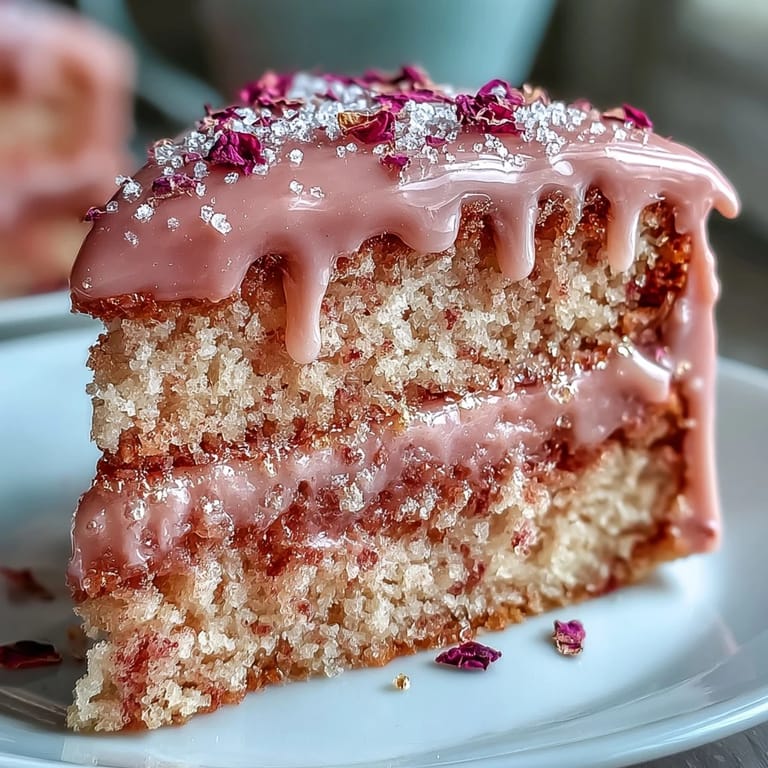 Save
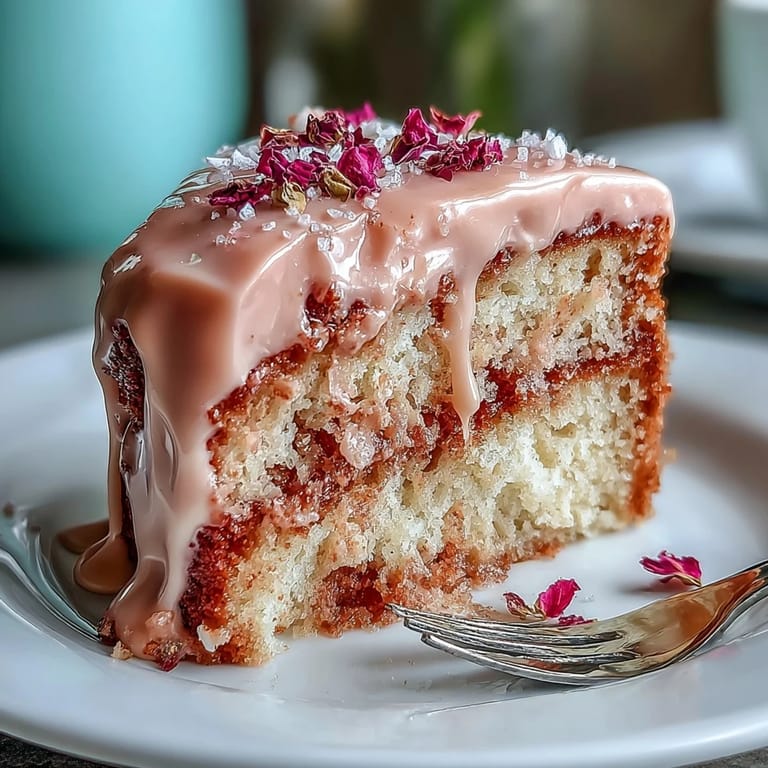
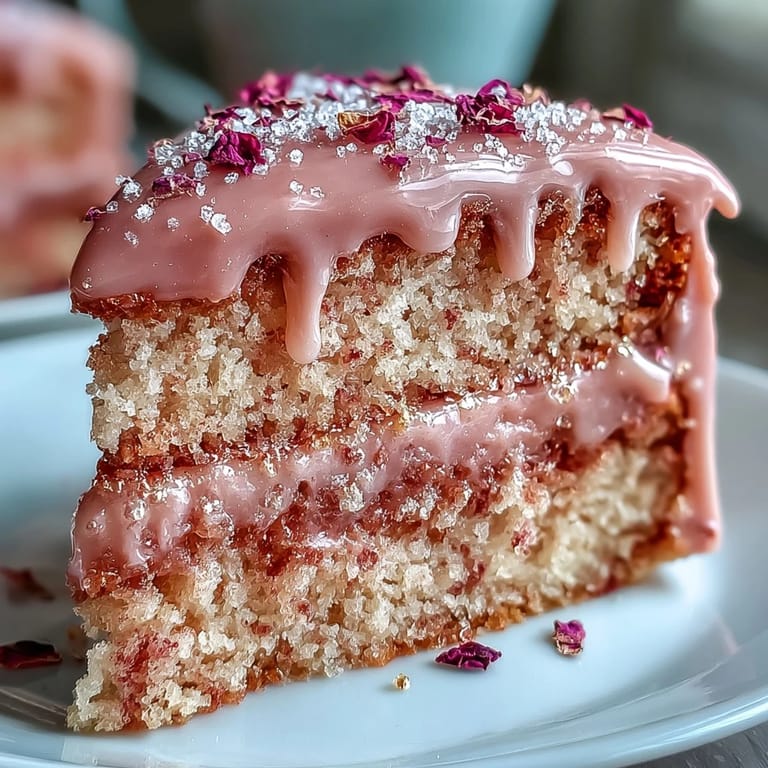
Save One slice was all it took for the entire bridal party to fall silent, savoring the perfectly pink crumb and faint, floral whisper of rosé – even skeptical aunts who 'don't love cake' asked for seconds. In that golden, candlelit moment, the cake seemed to become a centerpiece of memory as much as the party.
Choosing the Right Rosé for Your Cake
I learned after a couple attempts that not all rosé wines are equal in a cake—look for one that isn't too sweet, with a fresh or lightly floral note that won't overpower the dessert. Sparkling rosés seem to brighten the flavor, especially after baking, while dry styles add sophistication without making the cake taste boozy.
Gold Drip Secrets (Make It Shine!)
Mixing edible luster dust with a splash of vodka makes a quick-drying, true gold that's easy to paint on once the chocolate has set. Always use a clean, food-safe brush, and test your drip on the back of the cake before committing to the front for best results.
Serving and Storing Like a Pro
Bringing the cake to room temperature before serving makes the crumb tender and the buttercream wonderfully creamy, making each bite far better than cold from the fridge. If you have leftovers (unlikely), store them in an airtight container and they'll stay pretty for another day at least.
- Let any decorations, especially berries, dry before placing on the cake.
- A little plastic wrap pressed against cut sides keeps them from drying out.
- It's always worth snapping a quick photo before slicing in.
 Save
Save 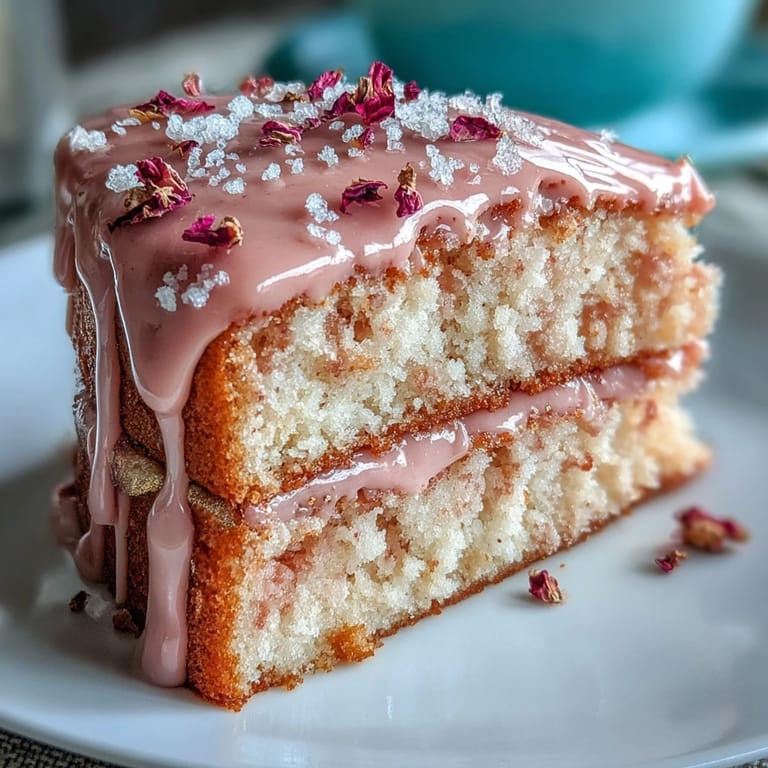 Save
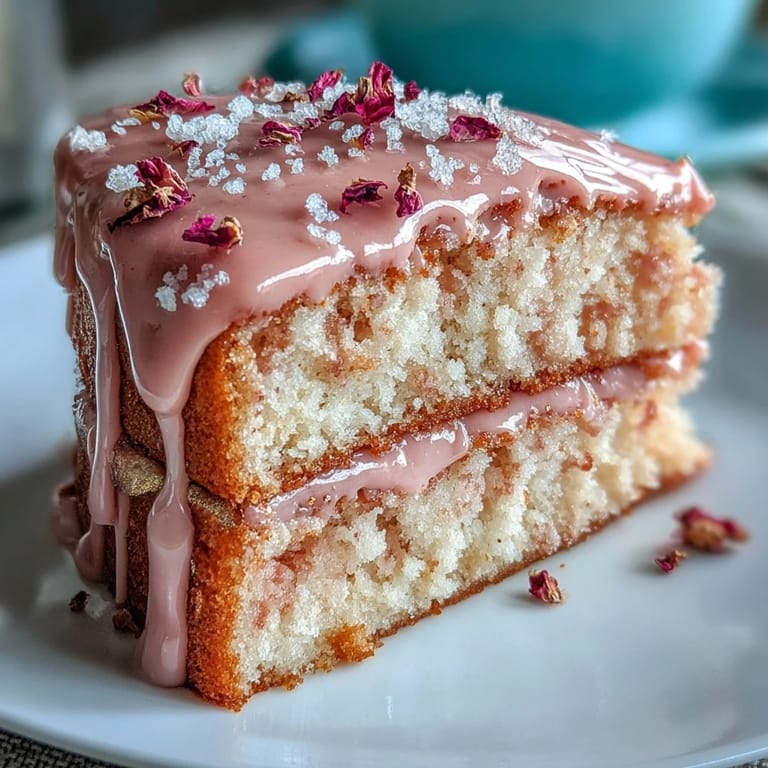
Save This cake may look extravagant, but every step is truly achievable, and seeing it on a table sprinkled with laughter and gold is the best kind of reward. Here's to making memories as bright as every shimmering slice.
Recipe Questions & Answers
- → Which type of rosé works best?
Choose a dry or lightly sparkling rosé with floral notes; it adds subtle acidity and aroma without making the batter too thin. Avoid overly sweet styles that can alter texture.
- → How do I get an even pink color?
Use gel food coloring for a vivid hue without thinning the batter. Add color a little at a time and fold gently to keep the crumb tender and avoid overmixing.
- → How do I ensure smooth buttercream layers?
Beat butter until pale and airy, add sifted powdered sugar gradually, and adjust consistency with small amounts of rosé or cream. Chill briefly between crumb coat and final coat for cleaner edges.
- → Tips for a reliable gold drip?
Melt white chocolate with warm cream until glossy, cool until slightly thickened, then test drip on a chilled edge. Mix edible gold luster dust with a clear extract or vodka to paint once the drip sets.
- → How far in advance can this be made?
You can bake layers and make buttercream a day ahead; wrap cakes and refrigerate, then assemble the day of. If chilled, bring to room temperature before serving for best texture.
- → Any tips for decorating without tearing layers?
Level each layer with a serrated knife or cake leveler, use a turntable and offset spatula for even spreading, and press lightly when stacking to maintain shape and avoid compressed crumbs.