 Save
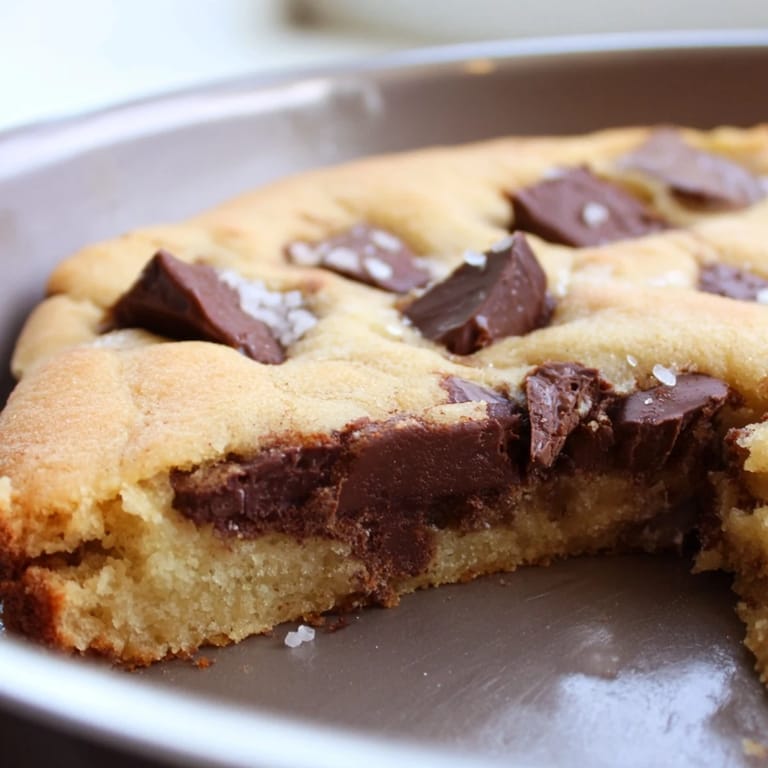
Save I pulled this skillet out of the oven on a Tuesday night when nothing else seemed to be going right. The edges had turned golden, the center still wobbled, and the smell alone made my neighbor knock on the door. We ate it with two spoons straight from the pan, and I realized some desserts don't need plating or precision. They just need to be warm and shared.
The first time I made this for friends, someone asked if I'd ordered it from a restaurant. I laughed because I'd forgotten the sea salt and burned my thumb on the handle, but none of that mattered once we dug in. It became the thing I make when I want people to stay longer at the table.
Ingredients
- All-purpose flour: This gives the cookie structure without making it cakey, and I've learned not to pack the measuring cup or it gets dense.
- Baking soda: Just enough to create a little lift and those crackly edges I love, but too much and it tastes soapy.
- Salt: Balances all that sweetness and makes the chocolate taste richer, almost deeper.
- Unsalted butter, melted: Melting it instead of creaming gives you chewier texture, and letting it cool slightly keeps the eggs from scrambling.
- Brown sugar, packed: This is where the gooeyness lives, plus it adds a molasses warmth that white sugar can't touch.
- Granulated sugar: Helps with spread and crispness, and I like the balance it brings against the brown sugar's moisture.
- Eggs: They bind everything and add richness, and I always crack them into a separate bowl first after one too many shell disasters.
- Pure vanilla extract: Real vanilla makes a difference here, the fake stuff just tastes like a memory of vanilla.
- Chocolate chunks: Bigger pieces mean molten pockets instead of evenly distributed chips, and I go for something with at least 60% cacao.
- Flaky sea salt: Optional but not really, it cuts through the sweetness and makes every bite more interesting.
- Vanilla ice cream: Cold against warm cookie is the whole point of serving this straight from the oven.
Tired of Takeout? 🥡
Get 10 meals you can make faster than delivery arrives. Seriously.
One email. No spam. Unsubscribe anytime.
Instructions
- Preheat and prep:
- Get your oven to 350°F and make sure your skillet is clean and dry. I once forgot to preheat and the dough sat too long, spreading too thin and losing that perfect thickness.
- Whisk the dry ingredients:
- Combine flour, baking soda, and salt in a medium bowl. This step feels boring but it prevents lumps and makes sure the leavening distributes evenly.
- Mix the butter and sugars:
- Whisk melted butter with both sugars until it looks smooth and glossy. The sugar should dissolve a bit into the warm butter, creating this shiny base that smells like brown butter and caramel.
- Add eggs and vanilla:
- Whisk in one egg, let it incorporate fully, then add the second. Stir in vanilla and watch the mixture turn pale and silky.
- Fold in the flour:
- Add your dry ingredients gradually and stir just until no white streaks remain. Overmixing makes the cookie tough, and I learned that after making a batch that chewed like cardboard.
- Fold in chocolate:
- Stir in most of the chocolate chunks, but save a handful for the top. Pressing them into the surface before baking makes the finished skillet look bakery perfect.
- Spread into skillet:
- Press the dough evenly into your skillet, making sure it reaches the edges. I use my fingers or a spatula, and sometimes I lick the spatula when no one's watching.
- Top and bake:
- Scatter reserved chocolate chunks on top and slide it into the oven for 22 to 25 minutes. The edges should be golden and set, but the center should still jiggle slightly when you shake the pan.
- Cool slightly and serve:
- Let it sit for five minutes so you don't burn your mouth, then sprinkle with sea salt and serve warm. Ice cream goes on top while it's still hot enough to melt the edges.
 Save
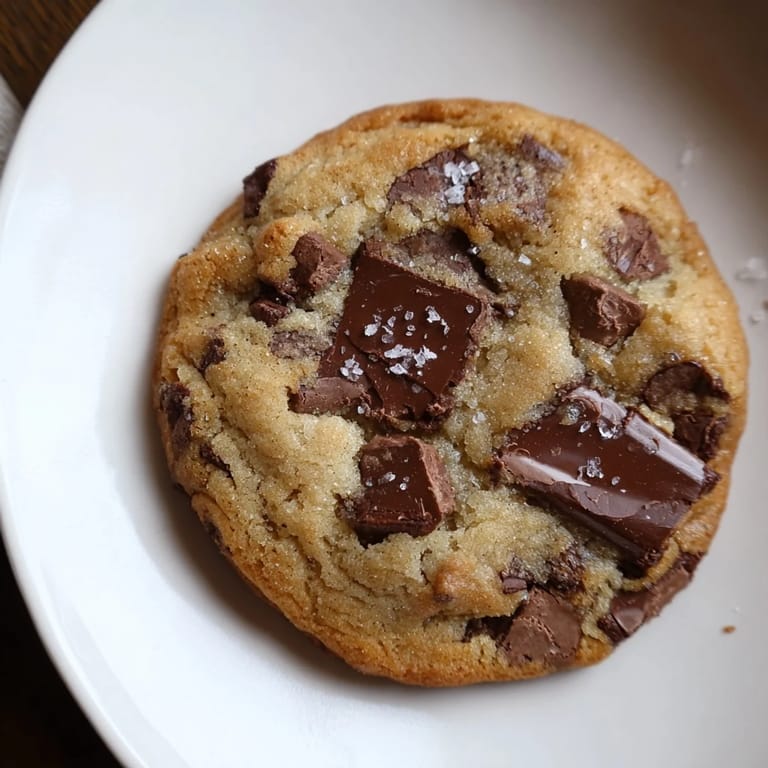
Save There's a moment right after it comes out of the oven when the kitchen smells like a memory you didn't know you had. My sister once said it smelled like every good decision she'd ever made, and we laughed, but she wasn't entirely wrong. This dessert doesn't try too hard, and maybe that's why it works.
Choosing Your Chocolate
I used to buy whatever chocolate chips were on sale until I tried real chunks from a chopped bar. The difference is texture and flavor, irregular pieces create those dramatic molten pools, and better cacao content means the chocolate doesn't just taste sweet, it tastes complex. Go for something you'd actually enjoy eating plain, because that quality shows up tenfold when it's baked into warm dough.
Skillet Size and Material
A 10 inch cast iron skillet is my go to because it holds heat beautifully and gives you those crispy edges without drying out the center. If you only have a 12 inch, the cookie will spread thinner and bake faster, so start checking at 18 minutes. Avoid nonstick skillets if you can, they don't develop the same caramelization on the bottom, and that's where half the flavor lives.
Storing and Reheating
Leftovers keep covered at room temperature for two days, or in the fridge for up to five if you want to stretch it. Reheat individual slices in the microwave for 15 seconds or warm the whole skillet in a 300°F oven for 10 minutes, and it tastes nearly as good as the first time.
- For a peanut butter swirl, drop spoonfuls on top of the dough before baking and drag a knife through it.
- Swap half the chocolate for butterscotch chips if you want something a little less intense.
- A handful of chopped walnuts or pecans adds crunch and makes it feel more sophisticated without any extra effort.
 Save
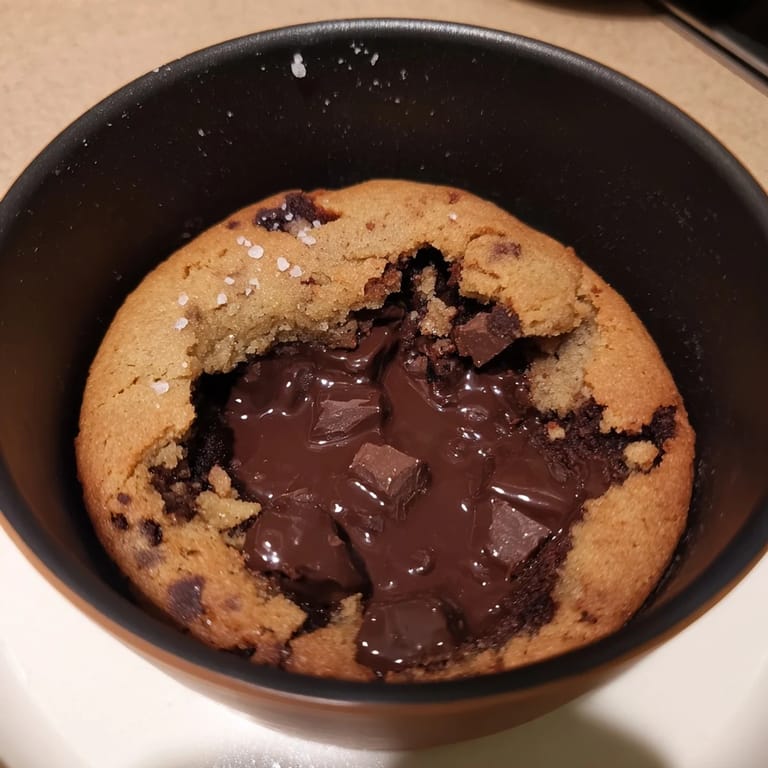
Save Every time I pull this out of the oven, someone ends up with a spoon in hand before I've even set it down. It's the kind of dessert that makes people forget their manners, and I think that's the highest compliment a recipe can get.
Recipe Questions & Answers
- → How do I achieve a gooey center in the skillet cookie?
Underbake the cookie by 2–3 minutes to keep the center soft and gooey while the edges set perfectly.
- → Can I substitute the chocolate chunks with other types of chocolate?
Yes, chocolate chunks can be replaced with chocolate chips, semi-sweet, dark, or your preferred variety for different textures and sweetness levels.
- → What kind of skillet is best for baking this dessert?
A 10-inch oven-safe skillet works best, providing even heat and enough space for the dough to spread evenly.
- → Are there any variations to add in this dessert?
Try adding chopped nuts, peanut butter swirls, or topping with whipped cream or caramel sauce for extra flavor and texture.
- → How should this dessert be served for best taste?
Serve warm directly from the skillet, optionally garnished with flaky sea salt and a scoop of vanilla ice cream to enhance the flavors.
- → What ingredients contribute to the texture of this dessert?
The combination of melted butter, brown sugar, and eggs creates a moist, tender crumb, while the flour and baking soda ensure structure and lightness.