 Save
Save The oven was barely warm when I realized I'd forgotten to buy wine. It was my first time hosting a winter dinner, and I'd planned everything around these lamb shanks. My neighbor appeared with a bottle of Merlot and said, Try not to drink it all before it hits the pot. That night, the lamb fell apart under my fork, and I learned that good food always finds a way, even when you panic.
I made this for my parents one December evening when the snow was piling up outside. My dad, who never comments on food, went quiet after his first bite. Then he asked if there was more. My mom still brings it up every holiday season, asking when I'll make those shanks again. It became our unofficial winter tradition without anyone planning it that way.
Ingredients
- Lamb shanks: Look for shanks that feel heavy and have a deep red color. I learned to ask the butcher to trim them so you don't end up with too much fat floating in your sauce later.
- Carrots and celery: These break down into the sauce and add a subtle sweetness that balances the richness of the lamb. Cut them big so they don't disappear completely.
- Onion: Yellow or white works best. I slice mine thick because they almost caramelize in the braising liquid and taste incredible.
- Garlic cloves: Smash them with the side of your knife. You want them to release their flavor without burning or turning bitter.
- Fresh rosemary and thyme: Dried herbs won't give you the same bright, piney aroma. I keep a pot of rosemary on my windowsill just for dishes like this.
- Bay leaves: They add a quiet depth you'll miss if you skip them. Just remember to fish them out before serving.
- Beef or lamb stock: Homemade is lovely, but a good quality store bought works perfectly. Make sure it's gluten free if that matters to you.
- Dry red wine: Something you'd actually drink. I use Merlot or Cabernet. The wine reduces and becomes part of the soul of the sauce.
- Olive oil: Just enough to get a good sear on the meat. Don't skimp on this step.
- Salt and pepper: Kosher salt and freshly cracked pepper make a difference. Season more than you think you should.
Tired of Takeout? 🥡
Get 10 meals you can make faster than delivery arrives. Seriously.
One email. No spam. Unsubscribe anytime.
Instructions
- Preheat and Prep:
- Set your oven to 160 degrees Celsius. Pat the lamb shanks completely dry with paper towels, then season them all over with salt and pepper like you mean it.
- Sear the Lamb:
- Heat olive oil in a large Dutch oven over medium high heat until it shimmers. Add the shanks and let them sear undisturbed for a couple of minutes per side until they're deeply browned. This is where the flavor starts, so don't rush it.
- Soften the Vegetables:
- Remove the lamb and set it aside. Toss the onions, carrots, celery, and garlic into the same pot. Stir them around in all that good brown fond for about four or five minutes until they start to soften and smell sweet.
- Build the Braise:
- Nestle the lamb shanks back into the pot among the vegetables. Tuck in the rosemary, thyme, and bay leaves. Pour in the wine and stock, and use a wooden spoon to scrape up any stuck bits from the bottom.
- Roast Low and Slow:
- Bring everything to a gentle simmer, then cover the pot tightly with a lid or foil. Slide it into the oven and let it roast for two and a half to three hours. Flip the shanks once halfway through if you remember, but it's not the end of the world if you forget.
- Finish and Serve:
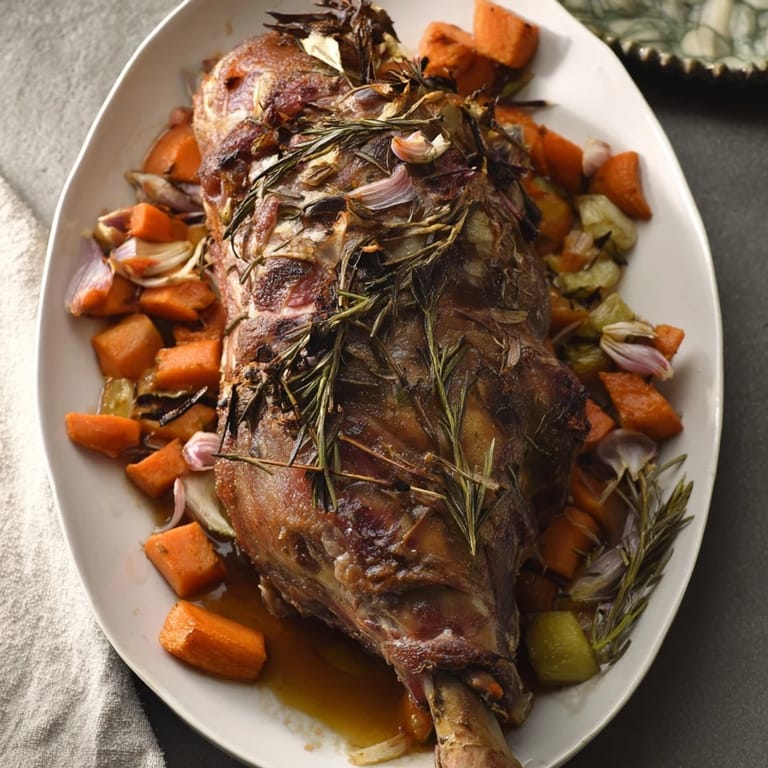
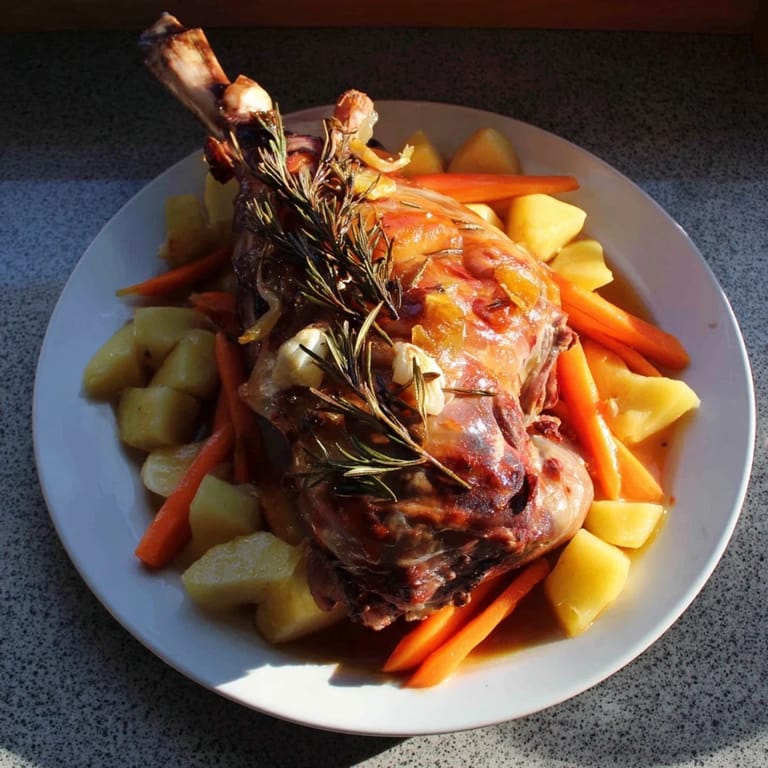
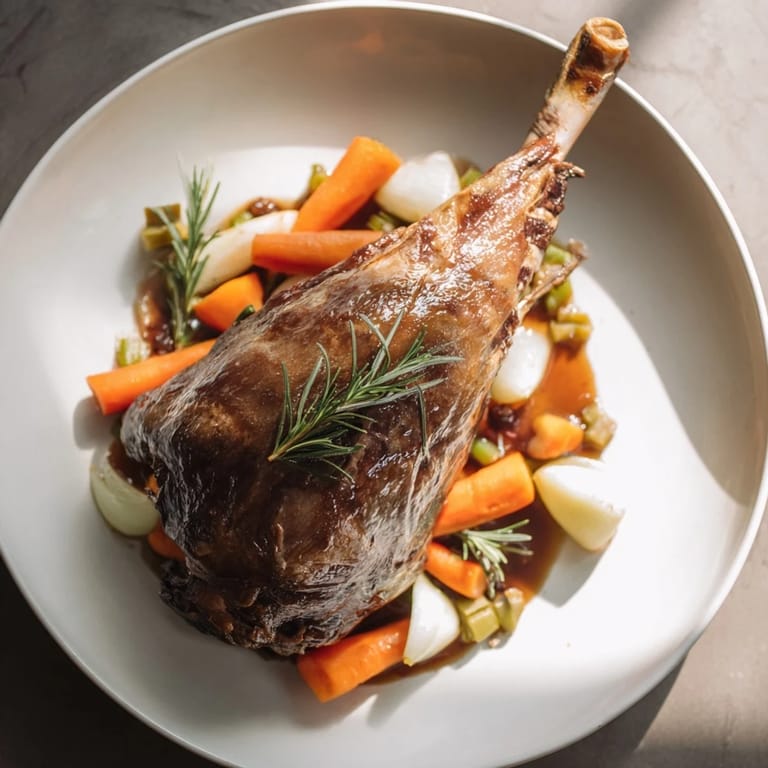
- When the meat is fall apart tender, remove the lamb and vegetables to a platter. Skim off any excess fat from the sauce, then simmer it on the stovetop for a few minutes if you want it thicker. Spoon the sauce over the lamb and serve it hot.
 Save
Save One night I served this to a friend who'd just moved across the country and was feeling homesick. She didn't say much while eating, but later she texted me saying it felt like being wrapped in a warm blanket. That's when I realized this dish isn't just dinner. It's comfort you can pass across the table.
Pairing Suggestions
I always serve this with creamy mashed potatoes or soft polenta to soak up the sauce. Roasted root vegetables or a simple arugula salad with lemon works beautifully on the side. If you have any of that red wine left, pour it into glasses and call it a night.
Make Ahead Magic
This is one of those rare dishes that actually gets better if you make it a day early. The flavors deepen overnight, and reheating it gently on the stovetop brings everything back to life. I've done this for every holiday gathering since I figured it out, and it takes so much stress off the day of.
Flavor Twists
Sometimes I add a strip of orange zest to the braising liquid for a subtle brightness, or a splash of balsamic vinegar at the end for a tiny bit of tang. A handful of olives or a spoonful of tomato paste can take this in a more rustic direction if that's your mood.
- Try swapping the red wine for white and adding fennel for a lighter, more delicate version.
- If you love garlic, double it. It becomes sweet and mild in the slow roast.
- Leftovers shred beautifully and make an incredible pasta sauce or sandwich filling.
 Save
Save This recipe taught me that the best meals are the ones you don't have to watch over constantly. Set it, forget it, and come back to something that feels like magic. I hope it becomes one of your favorites too.
Recipe Questions & Answers
- → What is the ideal cooking temperature for lamb shanks?
Roast lamb shanks at 160°C (320°F) to ensure slow, even cooking and tender meat.
- → How long should lamb shanks be roasted?
They need 2 ½ to 3 hours in the oven until the meat becomes very tender and falls off the bone.
- → Can I prepare the dish ahead of time?
Yes, flavors improve if prepared a day in advance and reheated before serving.
- → What herbs complement the lamb shanks best?
Fresh rosemary, thyme, and bay leaves add aromatic depth to the slow-roasted lamb.
- → What sides pair well with slow-roasted lamb shanks?
Creamy mashed potatoes or polenta make classic, delicious accompaniments.
- → How can I thicken the sauce after roasting?
Simmer the sauce on the stovetop after skimming excess fat to concentrate and slightly thicken it.