 Save
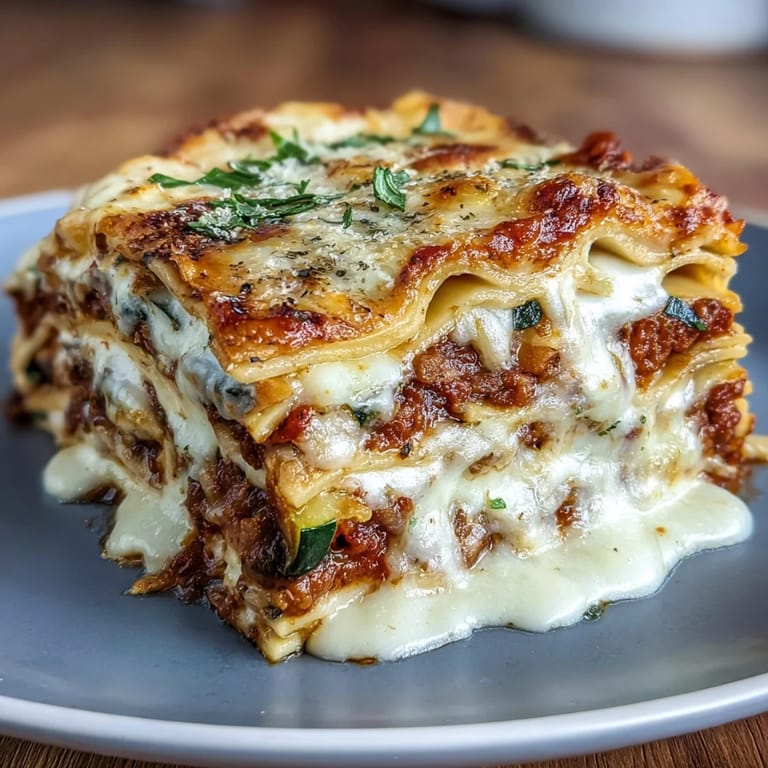
Save There's something quietly magical about discovering a recipe that solves multiple problems at once. Years ago, I was stuck between wanting lasagne comfort and needing something vegetarian that didn't feel like a compromise. One rainy evening, I threw red lentils, mushrooms, and courgettes into a pan with smoked paprika, and suddenly the whole kitchen smelled like possibility. That smoky, deeply savory aroma convinced me I was onto something real. This one-pan version became the answer I didn't know I was searching for.
I made this for my sister's dinner party on a Tuesday night when I had maybe two hours to prepare everything. She arrived with wine and skepticism about whether lentil lasagne could actually work. Twenty minutes into baking, the kitchen filled with such an inviting aroma that she abandoned her doubt and started setting the table. When we pulled it from the oven, golden and bubbling, even her teenage son asked for seconds—a victory I still think about.
Ingredients
- Olive oil: Use good quality oil here because it's the foundation of flavor—cheap oil tastes thin and forgettable.
- Onion and garlic: These two are non-negotiable; they build the savory base that everything else rests on.
- Carrot, red bell pepper, mushrooms, and courgettes: The vegetable ensemble creates texture variety and natural sweetness that balances the smokiness.
- Smoked paprika: This is the secret weapon—it gives the sauce its signature depth and warm, smoky character that makes people ask what your trick is.
- Dried oregano and thyme: Dried herbs work beautifully here because they concentrate their flavor as the sauce simmers.
- Chili flakes: A tiny pinch adds a gentle warmth without overwhelming; start with a light hand and adjust to your preference.
- Tomato paste: A tablespoon concentrates the tomato flavor and adds color and richness to the bolognese.
- Canned chopped tomatoes: They're already broken down, which saves time and gives you a silky sauce texture.
- Soy sauce: Just a splash adds umami depth that makes the lentils taste more substantial and savory.
- Red lentils: They break down into a creamy texture, thickening the sauce naturally without needing flour or cream.
- Vegetable stock: A good stock makes the difference between a thin sauce and one with real body and warmth.
- Unsalted butter and plain flour: The classic béchamel ratio is equal parts, which creates a sauce that's neither too thick nor too thin.
- Whole milk: Full-fat milk makes the béchamel luxurious and rich; skimmed milk leaves it feeling thin and sad.
- Ground nutmeg: A tiny pinch brightens the béchamel and keeps it from tasting one-dimensional.
- Mature cheddar: Aged cheddar has more flavor than mild, so you need less of it, and the seasoning stays balanced.
- No-boil lasagne sheets: They're a genuine time-saver, though they do absorb liquid, so don't stint on the sauce.
- Mozzarella for topping: It melts into golden patches and adds a lovely mild creaminess to the finished dish.
Tired of Takeout? 🥡
Get 10 meals you can make faster than delivery arrives. Seriously.
One email. No spam. Unsubscribe anytime.
Instructions
- Get your oven ready:
- Preheat to 200°C (180°C fan). This gives you a hot, steady environment for the lasagne to bake evenly and develop that gorgeous golden top.
- Build the flavor base:
- Heat olive oil in your large ovenproof pan over medium heat, then add onion and garlic, letting them soften for two minutes until fragrant. The smell that rises is your signal that you're starting something good.
- Add the vegetable ensemble:
- Stir in carrot, bell pepper, mushrooms, and courgettes, cooking for five to six minutes until they begin to soften and release their moisture. You'll notice the mushrooms darken and release their umami—that's exactly what you want.
- Wake up the spices:
- Sprinkle in smoked paprika, oregano, thyme, and chili flakes, then add tomato paste, stirring everything together for one minute. The spices bloom in the oil, and the whole pan transforms into something warm and aromatic.
- Simmer the sauce to richness:
- Pour in canned tomatoes, soy sauce, red lentils, and vegetable stock, then bring to a simmer, cover, and cook for fifteen to twenty minutes, stirring occasionally. The lentils soften and meld with the vegetables, creating a sauce that's thick, cohesive, and deeply satisfying. Season with salt and pepper, tasting as you go.
- Make the béchamel while the sauce builds:
- In a medium saucepan, melt butter over medium heat, then whisk in flour and cook for one minute to remove any raw flour taste. Gradually whisk in milk, stirring constantly until the sauce thickens into something smooth and creamy, about five minutes total.
- Season and finish the béchamel:
- Remove from heat and stir in nutmeg, grated cheddar, and a pinch of salt and white pepper. Taste it—béchamel should taste gently seasoned and creamy, almost like it's hugging your spoon.
- Begin the layering:
- Remove half the vegetable bolognese from the pan and set it aside, then spread one-third of the béchamel over the sauce still in the pan. Top with a layer of lasagne sheets, breaking them to fit snugly around the edges.
- Add the middle layers:
- Spread half the reserved bolognese over the pasta, pour another third of béchamel on top, then add another layer of lasagne sheets. You're creating a beautiful architecture of flavors and textures.
- Finish the assembly:
- Spread the remaining bolognese over the final pasta layer, top with the last lasagne sheets, and pour the remaining béchamel over everything. Sprinkle mozzarella across the top, letting it pool slightly in the crevices.
- Bake covered first, then uncovered:
- Cover the pan loosely with foil and bake for twenty-five minutes to let the lasagne warm through and soften gently. Remove the foil and bake for another ten to fifteen minutes until the top is golden and the edges bubble and hiss slightly at you.
- Let it rest before serving:
- Remove from the oven and let the lasagne stand for ten minutes—this resting time lets the layers set just enough to slice cleanly without falling apart. The wait is worth it.
 Save
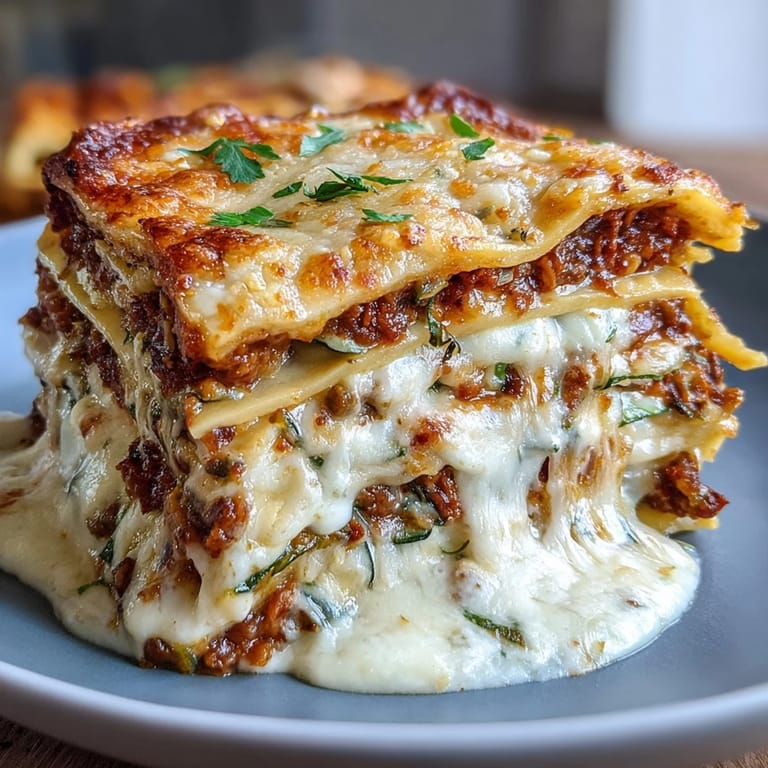
Save What struck me most about this dish was the moment my mum took her first bite and said, 'This tastes like real food,' which in her language meant it was both nourishing and honest. There's something deeply satisfying about serving a meal where every element works together, where nobody feels like they're eating a substitute or compromise, just genuine comfort.
The Smoky Paprika Secret
The first time I made this, I used regular paprika thinking it was the same thing, just less expensive. The result tasted vaguely like tomato sauce with lentils, pleasant but forgettable. Smoked paprika is genuinely different—it carries that warm, campfire-like quality that makes people lean in and ask what you've done. It's worth seeking out a good one; it changes everything about how this dish tastes and feels.
Why One Pan Matters
Using an ovenproof skillet for both stovetop and oven sounds like a small convenience, but it fundamentally changes how you experience cooking this. You're not transferring components between pots, not watching three different pans demand your attention at once. Instead, you watch the sauce build in one beautiful vessel, add the béchamel directly into it, layer the pasta, and slide the whole thing into the oven. It's the kind of simplicity that lets you be present while cooking instead of frantically managing logistics.
Timing and Flexibility
The beauty of making bolognese with lentils is that you can make it ahead and even reheat it gently, which means you can prep the sauce the morning before and simply assemble and bake when guests arrive. The béchamel should be made fresh, but honestly, the whole assembly takes maybe fifteen minutes if you have the components ready. This flexibility means you look calm and collected even if you're secretly juggling a dozen other things.
- Make the bolognese up to one day ahead: Store it in the refrigerator and let it come to room temperature before assembling.
- Assemble just before baking: Fresh béchamel stays smooth and silky, never developing that slightly grainy texture of reheated sauce.
- The lasagne holds beautifully for ten minutes after coming out of the oven: This resting time is essential for clean slicing and also gives you a moment to breathe before serving.
 Save
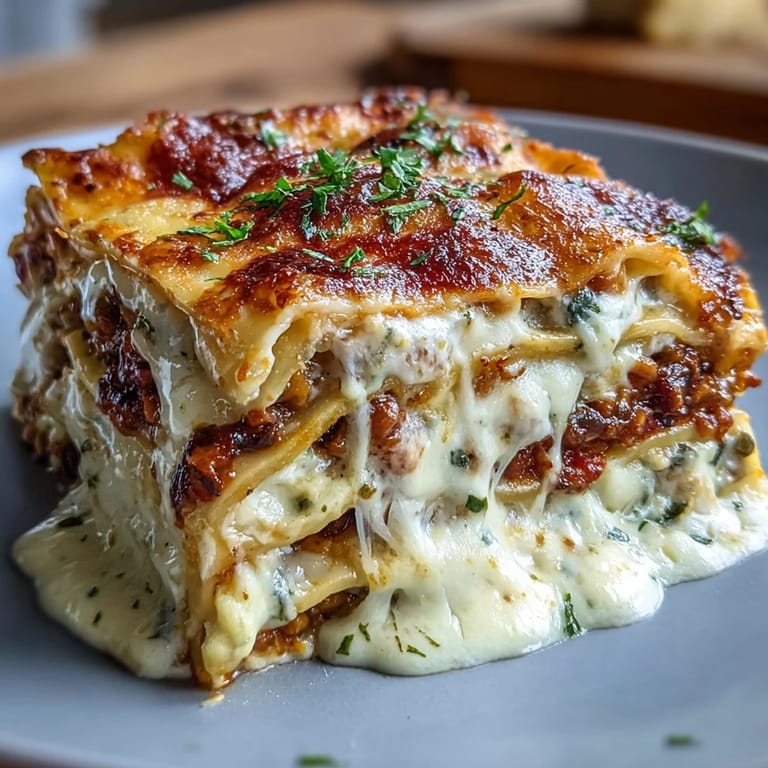
Save Every time I make this, I'm struck by how a handful of humble vegetables and pantry staples transform into something that tastes like you've spent hours in the kitchen. That's the real magic of cooking—not complexity, but intention.
Recipe Questions & Answers
- → Can I make this gluten-free?
Yes, simply use gluten-free lasagne sheets and replace the plain flour with a gluten-free flour blend in the béchamel sauce. Check all ingredient labels to ensure they're certified gluten-free.
- → How long does this keep in the fridge?
Cooled portions will keep well in an airtight container for 3-4 days. Reheat in the microwave or cover with foil and warm in a 180°C oven until heated through.
- → Can I freeze this lasagne?
Absolutely. Assemble the entire dish, wrap tightly in foil and freeze before baking. Alternatively, freeze leftover portions individually. Thaw overnight in the fridge before reheating.
- → What can I use instead of red lentils?
Green or brown lentils work well but may take slightly longer to cook. For a different texture, try using a plant-based mince or extra vegetables like aubergine and spinach.
- → Why do I need to remove half the bolognese during assembly?
Since everything cooks in one pan, removing half the filling creates space to layer the pasta and sauce properly. This ensures even distribution of ingredients and proper layering.
- → Can I make this vegan?
Yes. Use dairy-free butter and plant-based milk in the béchamel, and replace the cheeses with vegan alternatives. Nutritional yeast adds a nice cheesy flavour to the white sauce.