 Save
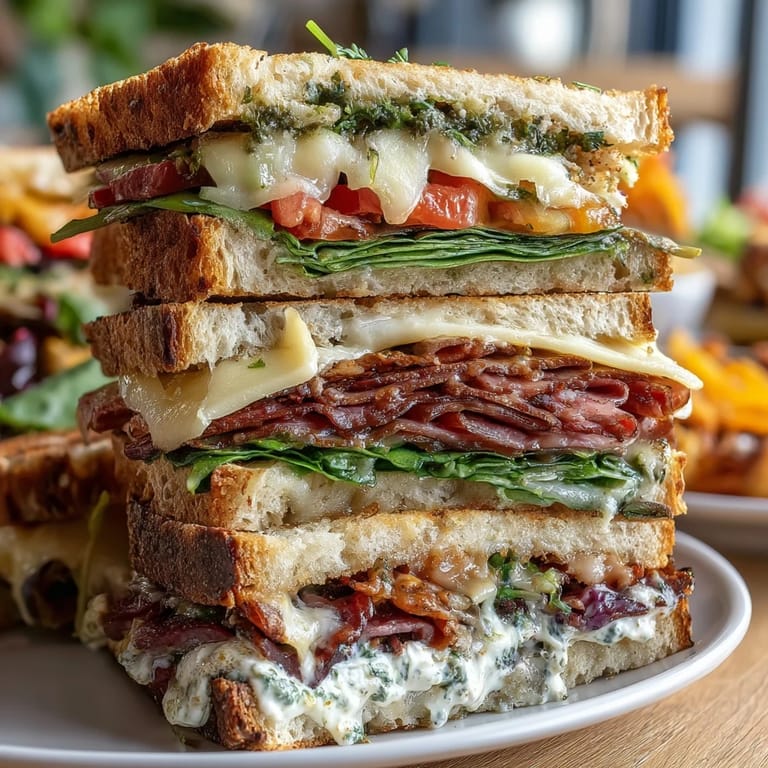
Save Last summer, my neighbor casually mentioned she was hosting a casual Saturday gathering and asked if I could bring something that wouldn't tie me to the kitchen. That's when the idea hit me: a loaded sandwich board where everyone becomes the architect of their own meal. What started as a practical solution turned into the star of the afternoon, with guests lingering around the table long after their first sandwich, experimenting with flavor combinations like kids in a candy store. The beauty of it is that you're not cooking—you're curating an experience, and somehow that feels more generous than any hot dish ever could.
I'll never forget watching my picky-eating friend Sarah load up her sandwich with hummus and avocado and vegetables she'd normally refuse, all because she felt ownership over the process. My husband, typically a no-fuss meat-and-mustard guy, surprised everyone by layering in pickles and banana peppers like he was crafting something experimental. That's when I realized this wasn't just about feeding people—it was about giving them permission to be playful with food.
Ingredients
- Ciabatta rolls and whole grain sandwich rolls: The sturdy crusts hold up beautifully to wet ingredients, and the varied textures give people real choices about their base.
- Sourdough bread: If someone wants traditional sandwich slices instead of rolls, you've got them covered, and the tang plays nicely with rich meats.
- Smoked turkey breast, honey ham, roast beef, and salami: Variety is everything here—cold cuts are your flavor spectrum, so mix lighter and darker, smoky and sweet.
- Swiss, cheddar, and provolone cheeses: These three give you mild, sharp, and creamy options without getting too experimental; buy pre-sliced to save precious prep time.
- Tomatoes, cucumber, red onion, and romaine: These are your foundation vegetables—fresh, crisp, and they don't wilt or get soggy when sitting out.
- Baby spinach and avocado: Spinach adds substance without heaviness, and avocado turns a basic sandwich into something that feels intentional.
- Dill pickle slices: This is the secret weapon that keeps people coming back—pickles add the brightness everything else needs.
- Mayonnaise, Dijon mustard, hummus, pesto, and honey mustard: These five spreads cover every flavor profile from tangy to herbaceous to subtly sweet, and they're what actually make the sandwich sing.
- Black olives, banana pepper rings, and sun-dried tomatoes: These extras are where people get creative and where your board stops looking ordinary.
Tired of Takeout? 🥡
Get 10 meals you can make faster than delivery arrives. Seriously.
One email. No spam. Unsubscribe anytime.
Instructions
- Start with your bread foundation:
- Arrange all your bread options in one area of your board—rolls on one side, sliced sourdough on the other. This gives people a visual anchor and prevents the board from looking chaotic.
- Build your protein and dairy section:
- Group your meats and cheeses in small clusters, keeping them slightly separated so flavors don't blur together and people can actually grab what they want without fumbling. Pro move: roll the slices slightly so they look intentional, not just fanned out.
- Create a vegetable garden:
- Arrange your fresh vegetables in small bowls or piles, clustering similar colors together—tomato with sun-dried tomato, cucumber with pickles, greens in one spot. This makes it instantly clear what's available and looks visually composed rather than scattered.
- Set up your condiment station:
- Spoon each spread into its own small bowl with a dedicated spoon or knife—this prevents cross-contamination and lets people taste-test without commitment. Label them if you're feeling fancy, but honestly people figure it out.
- Finish with your extras:
- Scatter your olives, peppers, and any other finishing touches around the board in the gaps, treating them like edible garnish. These little elements are what make someone's third sandwich feel completely different from their first.
- Invite and observe:
- Once your guests start building, you'll see what combinations emerge naturally—this is the real magic, and it informs how you'll arrange everything differently next time.
 Save
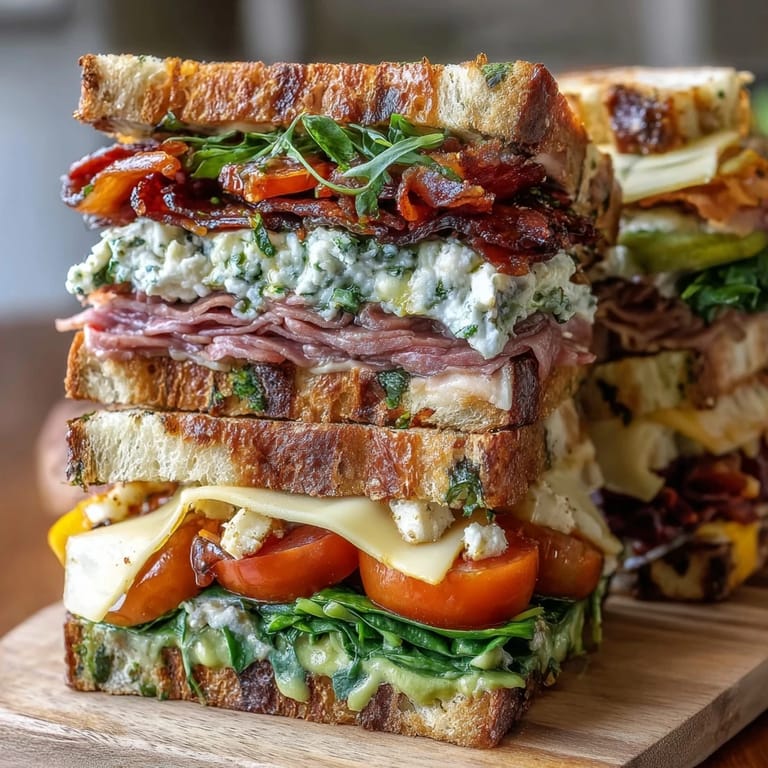
Save There's something quietly wonderful about stepping back and watching people you care about feed themselves, seeing their faces light up when they discover a combination that works. This board became the thing people asked me to bring to every summer gathering after that first time.
The Art of Arrangement
The secret to a beautiful sandwich board isn't actually about the food—it's about creating visual rhythm and making every option feel equally accessible. Use odd numbers of items when possible, cluster similar colors together, and always leave some breathing room so the board doesn't feel crowded. When things are easy to see and reach, people relax and enjoy themselves more instead of stressing about what they're missing.
Timing and Temperature Matters
The best sandwich boards are assembled no more than two hours before serving, especially if you live somewhere warm. Keep your deli meats and cheeses refrigerated until the last possible moment—cold proteins taste fresher and slice better. If you're transporting the board to a picnic, pack components separately in a cooler and assemble on-site if possible; your future self will thank you when nothing has gotten warm or wilted.
Making It Work for Everyone
The beauty of a board is that it naturally accommodates almost every dietary preference without requiring you to cook separate meals or make anyone feel excluded. Your vegetarian friends can build something satisfying with hummus, avocado, and all the vegetables, while your meat-focused guests go full protein mode. I've learned to always include at least one plant-based spread and plenty of vegetables, not as afterthoughts, but as real stars of the show alongside the meats.
- Set out a few gluten-free bread options if you know someone needs them, or at least have them available separately to avoid cross-contamination.
- Toast or warm your bread slightly before serving if you have the time—it makes even simple combinations feel more intentional and improves texture exponentially.
- Always prepare more spreads than you think you'll need, as these are what people usually run out of first, especially the hummus and pesto.
 Save
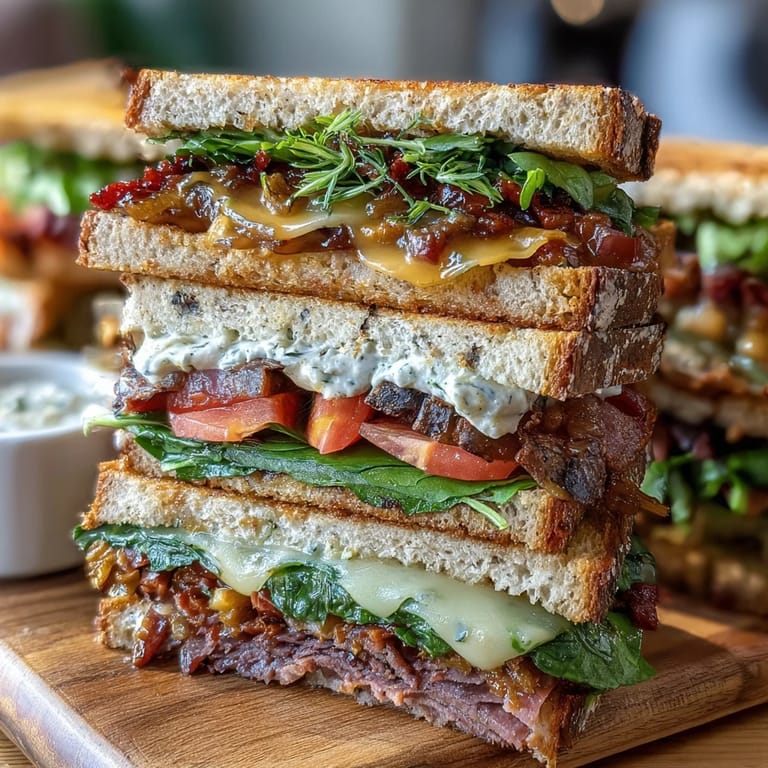
Save This recipe isn't really about instruction—it's about permission to feed people without stress and to trust them to know what they like. It's become my favorite way to gather.
Recipe Questions & Answers
- → What breads work best for this sandwich board?
A combination of ciabatta rolls, whole grain sandwich rolls, and sourdough slices offers variety and sturdy bases for layering meats and toppings.
- → How should deli meats and cheeses be arranged?
Separate deli meats and cheeses into clear sections on the board for easy selection and layering.
- → What fresh vegetables complement the deli meats?
Tomatoes, cucumbers, red onions, romaine lettuce, baby spinach, and avocado add freshness and texture.
- → Which spreads enhance flavor on the board?
Mayonnaise, Dijon mustard, hummus, pesto, and honey mustard provide a range of creamy and tangy options.
- → How can I adapt the board for vegetarian guests?
Offer grilled vegetables, sliced hard-boiled eggs, or plant-based deli alternatives alongside the breads and cheeses.
- → What tools are needed for assembling this board?
A large serving board or platter, small bowls for spreads and extras, and serving knives and spoons are all recommended.