 Save
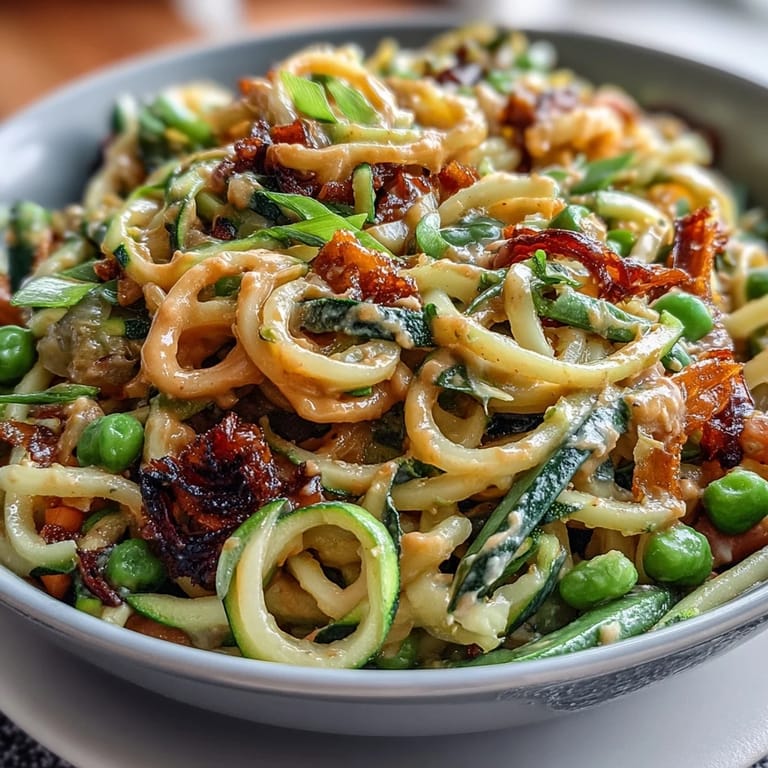
Save There's something almost meditative about spiralizing zucchini, watching those long green ribbons curl out like fresh pasta. I discovered this stir-fry on a sweltering afternoon when my fridge was overflowing with summer vegetables and I craved something that felt substantial but wouldn't heat up the kitchen. The peanut sauce came together so quickly that I almost didn't believe how much flavor it packed, and suddenly I had a weeknight dinner that tasted like I'd spent hours on it.
I'll never forget bringing this to a potluck where everyone assumed I'd spent my entire day cooking, then watching their faces when I casually mentioned it took fifteen minutes. One friend asked for the recipe right there, and honestly, seeing her actually make it later and text me photos felt like a small victory.
Ingredients
- Zucchini (4 medium): This is your noodle base, and spiralizing them fresh makes all the difference; I've learned that doing this just before cooking prevents them from weeping water into your finished dish.
- Red bell pepper (1 large): The sweetness balances the umami in the sauce, and thinly slicing it means it softens just enough without turning mushy.
- Carrot (1 large): Julienning by hand or spiralizer adds pleasant texture, and raw or briefly cooked, it brings a subtle crunch that grounds the whole dish.
- Snap peas (1 cup): These stay crisp even with a quick toss in the heat, and they're what make this feel fresh rather than heavy.
- Green onions (2): Sliced thin and added at the end, they brighten everything with a mild bite that you don't realize you're missing until they're there.
- Fresh cilantro (2 tablespoons): Optional, but if you like cilantro, this is where it does real work, cutting through the richness of the peanut sauce.
- Natural peanut butter (1/3 cup): I use smooth because it whisks into the sauce more easily, but crunchy works if you don't mind tiny flecks settling at the bottom.
- Low-sodium soy sauce or tamari (2 tablespoons): This is the umami anchor; tamari is gluten-free, which matters if that's a concern for your table.
- Rice vinegar (1 tablespoon): The acidity keeps the sauce from feeling one-note and heavy.
- Lime juice (1 tablespoon): Fresh lime is brighter than bottled; I squeeze it right before mixing rather than planning ahead.
- Maple syrup or honey (1 tablespoon): This rounds out the peanut butter's earthiness and ties the sauce together.
- Toasted sesame oil (2 teaspoons): A little goes a long way; toasted sesame oil has a nuttier flavor than regular, and I learned this the hard way by pouring too much once.
- Garlic and ginger (2 cloves and 1 teaspoon): Freshly minced and grated, these wake up your palate and make the sauce taste like it came from somewhere intentional.
- Warm water (2 to 4 tablespoons): This is how you control the sauce's consistency; start with less and add gradually because you can always thin it, but you can't thicken it back up once it's done.
- Red pepper flakes (1/2 teaspoon optional): A quiet heat that sneaks up on you in the best way.
- Roasted peanuts (2 tablespoons chopped): These add a final textural contrast and make the whole thing feel finished.
Tired of Takeout? 🥡
Get 10 meals you can make faster than delivery arrives. Seriously.
One email. No spam. Unsubscribe anytime.
Instructions
- Get Your Mise en Place Ready:
- Spiralize your zucchini and carrot, then slice everything else into bite-sized pieces; this takes about five minutes and means you're not fumbling with a knife while things are cooking in the pan.
- Build Your Sauce:
- In a bowl, whisk the peanut butter with soy sauce, rice vinegar, lime juice, maple syrup, sesame oil, garlic, and ginger until it starts coming together, then add warm water a tablespoon at a time until it's smooth and flows off the whisk. I learned to do this first so the sauce is ready to go the moment your vegetables are done cooking.
- Heat Your Pan:
- Get a large skillet or wok smoking hot over medium-high heat, then add a tiny splash of sesame oil if you want extra flavor; this only takes a minute, but it matters.
- Cook the Firmer Vegetables First:
- Toss in your bell pepper, carrot, and snap peas and let them kiss the hot pan for two to three minutes, stirring often so they color slightly but stay snappy. You want them to smell sweet and vegetal, not soft.
- Add the Zucchini Noodles:
- Now add your spiralized zucchini gently, tossing it through for two to three minutes; this is where patience matters because overshooting this step by even a minute turns them into mush, and that's not what we're after.
- Bring It All Together:
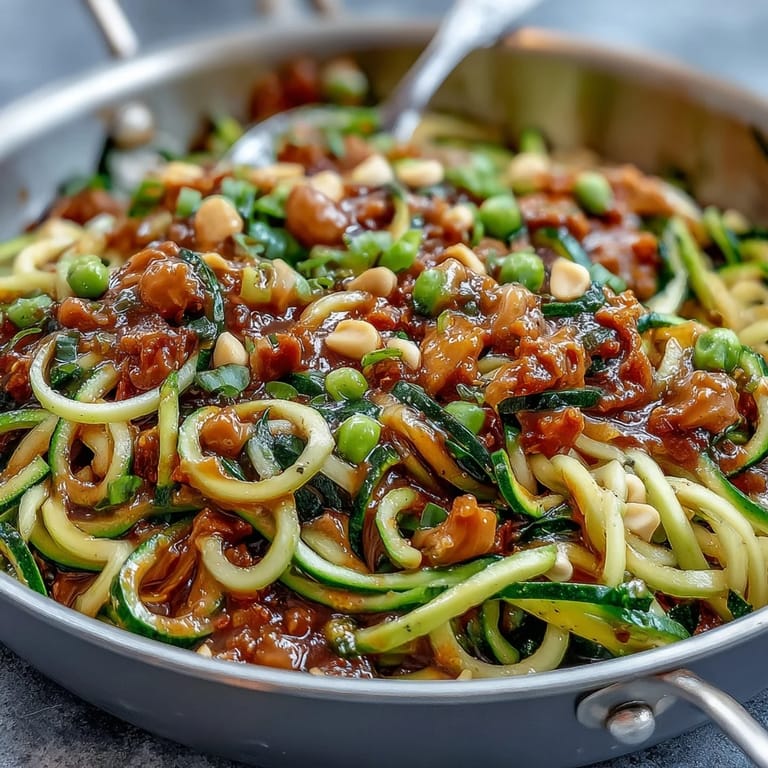
- Pour that beautiful peanut sauce over everything and toss for another minute or two until the vegetables are coated and everything is warm; the whole pan should smell like a takeout place you love.
- Plate and Serve:
- Move it to bowls immediately and scatter peanuts, green onions, and cilantro on top while it's still steaming.
 Save
Save What strikes me most about this dish is how it proved that eating well doesn't have to feel like deprivation; it can be quick, delicious, and something you actually want to make again. That matters more than any nutrition label ever could.
Variations That Work
The beauty of this stir-fry is that it's flexible without falling apart. I've added grilled chicken and shrimp, and both sing with that peanut sauce; I've also topped it with crispy tofu that soaked up every bit of flavor. Mushrooms, broccoli, or even thinly sliced cabbage work if you want to bulk it up or use what's on hand, and the cooking time barely changes.
Making It Your Own
Once you understand how the sauce works, you can play with it. I've swapped cashew or almond butter when I wanted something slightly richer, used coconut aminos instead of soy sauce for friends avoiding soy, and added a touch of sriracha when I woke up wanting heat. The sauce is forgiving enough that you can taste as you go and adjust without ruining anything.
Storing and Reheating
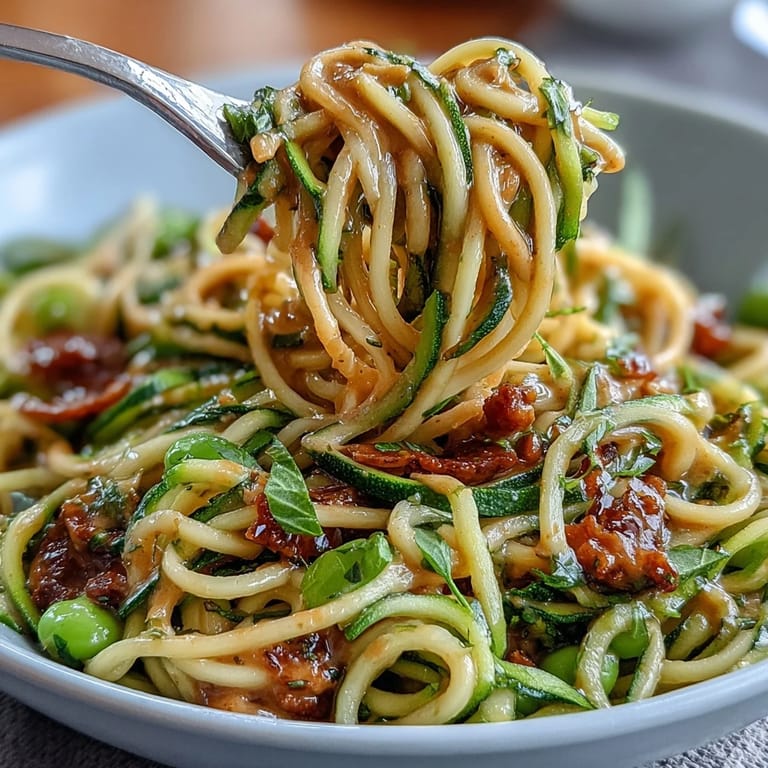
This dish is happiest eaten fresh, but if you have leftovers, they'll keep for a day or two in an airtight container in the fridge. When you reheat, do it gently in a pan over low heat for a minute or two, maybe adding a splash of water if things look dry, because the vegetables have already had their moment and don't need more heat. The flavors actually deepen overnight, so sometimes I make it specifically for next-day lunch.
- Store the sauce separately if you're prepping ahead, then toss everything together just before eating.
- If you're packing this for lunch, keep the peanuts and cilantro separate so they stay crisp until you eat.
- This freezes poorly because zucchini noodles become mushy when thawed, so treat it as a fresh-only situation.
 Save
Save This recipe became my answer to the question I ask myself most afternoons: what can I make that tastes good, doesn't take forever, and doesn't make me feel like I'm just eating rabbit food? Turns out the answer was right here, waiting to become a regular part of my rotation.
Recipe Questions & Answers
- → Can I use other vegetables in this stir-fry?
Yes, mushrooms, broccoli, or snap peas can be added or substituted to vary texture and flavor.
- → How do I prevent zucchini noodles from becoming soggy?
Cook zucchini noodles briefly, just until heated through, and avoid overcooking to keep them crisp.
- → What can I use instead of peanut butter?
Try almond or cashew butter for a nut-free variation, or sunflower seed butter if avoiding peanuts.
- → Is this dish suitable for gluten-free diets?
Use tamari or a gluten-free soy sauce alternative to keep it gluten-free.
- → How can I add protein to this dish?
Top with grilled tofu, chicken, or shrimp to boost protein content and make it more filling.