 Save
Save There's something about a pot of simmering soup that changes a kitchen's entire mood. One late autumn evening, my neighbor stopped by just as this soup was finishing, and the aroma pulled her straight to the stove before she'd even taken off her jacket. She stood there breathing it in, and I realized how this particular combination of sausage, black-eyed peas, and herbs creates something that feels both comforting and alive. It's the kind of dish that turns a regular Tuesday into something worth remembering.
I made this soup for the first time during a particularly chaotic week when cooking felt like the only thing I could control. My hands moved through the familiar motions of dicing vegetables, browning meat, and building layers of flavor, and somewhere between the sizzle of sausage and the gentle bubble of simmering broth, the day's stress just dissolved. By the time I ladled it into bowls, my whole family was gathered in the kitchen without being asked, drawn by that unmistakable smell of home.
Ingredients
- Italian sausage (450 g / 1 lb), casings removed: Choose mild or spicy based on your heat preference; the rendered fat becomes your flavor foundation, so don't skip browning it properly.
- Yellow onion (1 medium), diced: This is your aromatic base, so take time to dice it evenly so it softens uniformly as it cooks.
- Carrots (2), peeled and sliced: Their natural sweetness balances the savory sausage and herbs, creating depth as they dissolve slightly into the broth.
- Celery stalks (2), sliced: Often overlooked, celery is the quiet backbone of any good soup, adding subtle earthiness that rounds out the flavor.
- Garlic (3 cloves), minced: Add this after the other vegetables have begun to soften so it doesn't burn and turn bitter.
- Red bell pepper (1), diced: It adds a gentle sweetness and color that makes the finished soup feel vibrant and inviting.
- Canned diced tomatoes (400 g / 14 oz) with juices: Don't drain them; those juices carry flavor and help build the soup's body.
- Black-eyed peas (2 cans, 400 g / 14 oz each), drained and rinsed: Canned peas are convenient and reliable; rinsing them removes excess sodium and starch.
- Low-sodium chicken broth (1.25 liters / 5 cups): Low-sodium lets you control the salt level and taste the actual ingredients shining through.
- Dried thyme (1 tsp): Thyme brings an herbaceous note that pairs beautifully with the earthiness of black-eyed peas.
- Dried oregano (1 tsp): This herb nods to the Italian sausage while complementing the Southern elements of the dish.
- Bay leaf (1): Leave it in during cooking for subtle depth, but always remove it before serving.
- Crushed red pepper flakes (½ tsp, optional): Add this only if you enjoy heat; it's easily adjusted to your preference.
- Salt and freshly ground black pepper, to taste: Taste as you go and season at the end when all flavors have melded together.
- Fresh parsley (2 tbsp), chopped: The bright, grassy note of fresh parsley is essential for lifting the soup's flavors just before serving.
- Grated Parmesan cheese, for serving (optional): A small handful adds richness and a savory punch if you choose to include it.
Tired of Takeout? 🥡
Get 10 meals you can make faster than delivery arrives. Seriously.
One email. No spam. Unsubscribe anytime.
Instructions
- Brown the sausage and build your base:
- Heat a large soup pot over medium heat and crumble in the sausage, breaking it apart with a wooden spoon as it cooks, about 5 to 7 minutes until no pink remains. The browning creates a flavorful foundation that makes the entire soup taste richer.
- Soften the vegetables:
- Add the onion, carrots, celery, bell pepper, and garlic to the pot, stirring occasionally for about 5 minutes until they begin to soften and release their aromas. You'll notice the kitchen fill with a warm, inviting smell at this moment.
- Layer in the broth and legumes:
- Stir in the tomatoes with their juices, black-eyed peas, chicken broth, thyme, oregano, bay leaf, and red pepper flakes if using, mixing everything together gently. This is when the soup transforms from separate ingredients into something unified and cohesive.
- Simmer gently until flavors meld:
- Bring the pot to a gentle boil, then lower the heat and cover, simmering for 20 minutes while stirring occasionally. The longer, slower cooking allows all the flavors to find each other and settle into something greater than their individual parts.
- Taste, adjust, and finish:
- Remove from heat, fish out the bay leaf, and taste the soup, seasoning with salt and black pepper until it tastes just right to you. Remember that you control the final flavor here, so trust your palate.
- Serve with care and generosity:
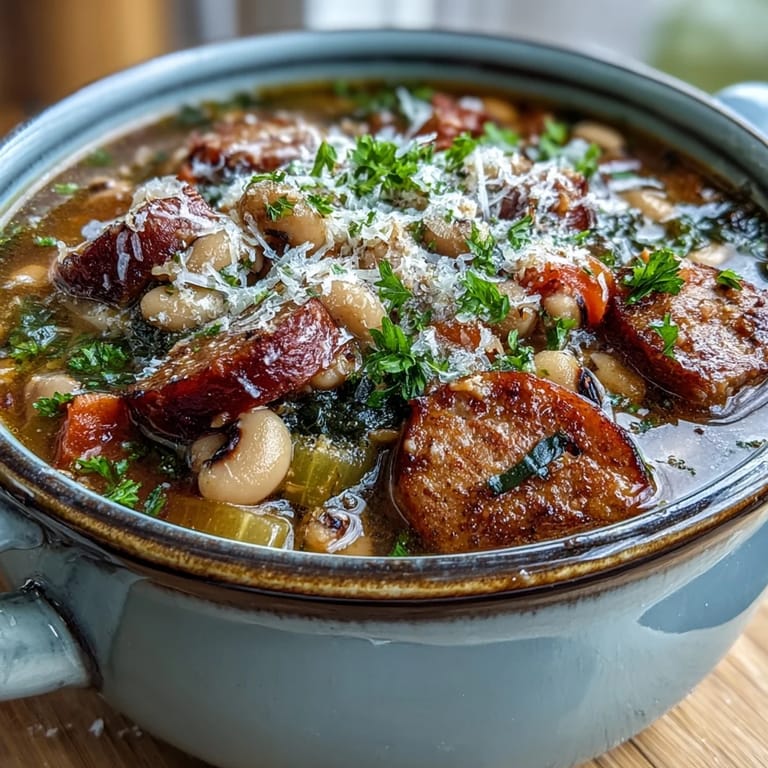
- Ladle the soup into bowls and top with fresh parsley and Parmesan cheese if desired. There's something deeply satisfying about serving something warm and nourishing to the people you care about.
 Save
Save There was a winter afternoon when my daughter came home from school feeling worn down, and I had a bowl of this soup waiting on the counter. She wrapped her hands around the warm bowl and sat quietly for a moment, and I watched her shoulders relax as she ate. Sometimes food does more than nourish our bodies; it tells people they're cared for, and that matters.
Variations and Flexibility
This soup welcomes improvisation without complaint. I've added spinach in the final minutes for extra greens, swapped out the bell pepper for roasted red peppers when I had them on hand, and even stretched a single sausage across a larger batch by adding more beans and vegetables. The core flavors are flexible enough to handle your preferences and what's already in your pantry.
Storage and Make-Ahead Tips
This soup keeps beautifully in the refrigerator for up to four days, and the flavors actually deepen as it sits. You can also freeze it for up to three months; just leave some headspace in your container since it expands slightly when frozen. I've taken to making double batches on the weekend and portioning them out, knowing I have something ready whenever the day gets long or the weather turns cold.
Serving Suggestions and Pairing Ideas
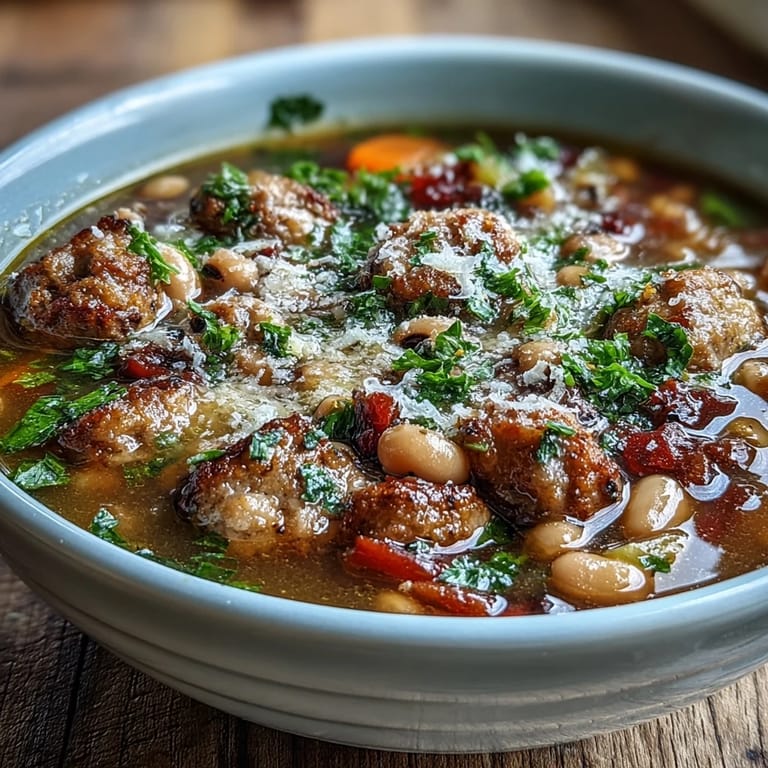
This soup stands perfectly on its own, but it transforms into something special with the right accompaniments. A thick slice of crusty bread for soaking up every last drop, a light green salad to brighten the richness, or even a scatter of crispy croutons for texture all elevate the experience. If you want to turn it into a more substantial meal, ladle it over a bed of steamed rice or offer warm cornbread on the side.
- Pair with a crisp white wine like Pinot Grigio or a light red like Chianti for a simple but elegant dinner.
- Leftover soup reheats beautifully on the stove over medium heat, and a splash of fresh broth keeps it from becoming too thick.
- Make a vegetarian version by omitting the sausage and using vegetable broth instead, adding smoked paprika for that savory depth you'll miss.
 Save
Save This is the kind of soup that becomes a regular in your rotation without you really planning for it. Every time I make it, someone asks for the recipe, and I'm always happy to share.
Recipe Questions & Answers
- → Can I use dried black-eyed peas instead of canned?
Yes, soak dried black-eyed peas overnight and cook them separately before adding to the soup, or extend simmering time until they reach desired tenderness.
- → What type of sausage works best?
Italian sausage (mild or spicy) provides classic flavor, but you can substitute with andouille, chorizo, or any smoked sausage for variation.
- → How do I make this vegetarian?
Omit the sausage and use vegetable broth instead of chicken broth. Add smoked paprika or extra vegetables to maintain depth of flavor.
- → Can I freeze this soup?
This soup freezes well for up to 3 months. Cool completely before storing in airtight containers. Thaw overnight in the refrigerator before reheating.
- → How can I make the soup thicker?
Mash a portion of the black-eyed peas against the side of the pot before serving, or let it simmer uncovered longer to reduce the liquid.
- → What sides pair well with this soup?
Crusty bread, cornbread, or steamed rice make excellent accompaniments. A light Chianti or Pinot Noir complements the rich flavors.